Life Processes
Take the QuizAll living organisms, from the tiniest bacteria to the largest mammals, perform a series of essential functions to maintain and support life. These vital functions are collectively known as life processes. They enable organisms to grow, reproduce, respond to their environment, and carry out other biological activities necessary for survival. Life processes include fundamental activities such as nutrition (intake and utilization of nutrients), respiration (breaking down food to release energy), transportation (movement of substances within the body), and excretion (removal of waste products). Each of these processes plays a specific role in ensuring the organism's health and functionality. In multicellular organisms, these processes are carried out by specialized systems and organs, while in unicellular organisms, a single cell manages all life processes. Understanding these processes not only gives us insights into how our body works but also helps us appreciate the similarities and differences among various forms of life. In this chapter, we will explore each life process in detail, examining how they function, the organs involved, and their significance in maintaining homeostasis and sustaining life.
Characteristics of Living Organisms
Living organisms share a set of unique characteristics that differentiate them from non-living things. These traits are essential for life and can be observed in organisms ranging from microscopic bacteria to large animals and plants. Understanding the characteristics help scientists define what it means to be alive and distinguish living things from the non-living components of our world.Below are the fundamental characteristics of living organisms:
- Growth: All living organisms grow either by increasing the number of cells (in multicellular organisms) or the size of a single cell (in unicellular organisms).
- Nutrition: Organisms need food to obtain energy and nutrients. This may involve making their own food (autotrophs like plants) or consuming others (heterotrophs like animals).
- Respiration: The process by which organisms break down food molecules (especially glucose) to release energy required for other life processes.
- Excretion: Removal of metabolic waste products from the body. This includes substances like carbon dioxide, urea, and excess water.
- Movement: Living organisms can move on their own, either from place to place or showing internal movements such as the flow of cytoplasm in cells.
- Response to Stimuli: All organisms respond to changes in their environment, such as light, temperature, touch, and chemicals. This ability to react is known as irritability or sensitivity.
- Reproduction: The process by which living organisms produce new individuals of the same species. It can be sexual or asexual.
- Metabolism: All the chemical reactions occurring inside a living organism form its metabolism. It includes both anabolic (building up) and catabolic (breaking down) processes.
- Cellular Organization: The basic structural and functional unit of life is the cell. All living beings are made up of one or more cells.
- Adaptation and Evolution: Over time, living organisms adapt to their environment and evolve to survive under changing conditions.
Differences Between Living and Non-living Organisms
Everything around us can be broadly classified into two categories, they are living and nonliving organisms. While living organisms carry out life processes and show various characteristics like growth, reproduction, and response to stimuli, non-living things do not possess these features. The table below highlights the key differences:
| Feature | Living Organisms | Non-living Things |
|---|---|---|
| 1. Growth | Grow internally by cell division | Do not grow by themselves (may increase in size by external factors) |
| 2. Nutrition | Require food for energy and survival | Do not require food or nutrients |
| 3. Respiration | Perform respiration to release energy | No respiration occurs |
| 4. Movement | Show movement (internal or external) | Do not move on their own |
| 5. Reproduction | Can reproduce and give rise to new organisms | Cannot reproduce |
| 6. Response to Stimuli | Respond to environmental changes | Do not respond to stimuli |
| 7. Metabolism | Have metabolic reactions continuously | No metabolism occurs |
| 8. Cellular Structure | Made up of one or more cells | No cellular structure |
| 9. Lifespan | Have a definite lifespan and undergo death | No lifespan; do not die |
Life Processes in Prokaryotes and Eukaryotes
All living organisms carry out essential life processes such as nutrition, respiration, transportation, and excretion. However, the way these processes occur can differ significantly between prokaryotic and eukaryotic organisms due to their structural differences. Understanding the differences in life processes between prokaryotic and eukaryotic organisms gives insight into the complexity of cellular organization and the evolution of life. Prokaryotes are simple, single-celled organisms that lack a true nucleus and membrane-bound organelles. Bacteria and Archaea are the main types of prokaryotes. Their life processes are carried out within the cytoplasm or at the cell membrane while Eukaryotes are complex cells with a well-defined nucleus and specialized organelles. The multicellular organisms like plants, animals, and humans carryour their processes in specialized cellular compartments.
| Life Process | Prokaryotes | Eukaryotes |
|---|---|---|
| Cell Structure | No nucleus; DNA floats in cytoplasm | Has a true nucleus with nuclear membrane |
| Nutrition | Absorption through cell membrane; some are autotrophic (e.g., cyanobacteria) | Specialized organelles like chloroplasts (in plants) and ingestion in animals |
| Respiration | Occurs at the cell membrane; no mitochondria | Occurs in mitochondria |
| Transport | By diffusion and active transport across membrane | Transport systems like blood, xylem/phloem in multicellular organisms |
| Excretion | Waste products diffuse out through membrane | Excretory organs or specialized cell vacuoles handle waste |
| Reproduction | Binary fission (asexual) | Both asexual (mitosis) and sexual (meiosis) reproduction |
Modes of Nutrition in Different Organisms
Nutrition is the process by which organisms obtain and utilize food for energy and growth. Organisms show various modes of nutrition based on their habitat, structure, and function. The two main modes are autotrophic and heterotrophic.These nutritional adaptations allow organisms to survive in different environments and maintain the balance of ecosystems.
| Mode of Nutrition | Description | Examples |
|---|---|---|
| Autotrophic | Organisms synthesize their own food from simple substances like CO2 and H2O using sunlight (photosynthesis) or chemicals (chemosynthesis). | Green plants, Algae, Cyanobacteria |
| Heterotrophic | Organisms obtain food by consuming other organisms. | Animals, Fungi, Most bacteria |
| Holozoic | Ingestion and internal digestion of solid or liquid food. | Humans, Amoeba, Dog |
| Saprophytic | Obtaining nutrients by breaking down dead and decaying matter. | Fungi, Mushroom, Bread mold |
| Parasitic | Living on or inside a host and deriving nutrients from it, often harming the host. | Tapeworm, Lice, Cuscuta (Amarbel) |
| Symbiotic | Two different organisms live together and both benefit from the relationship. | Lichens (Algae + Fungi), Rhizobium in legumes |
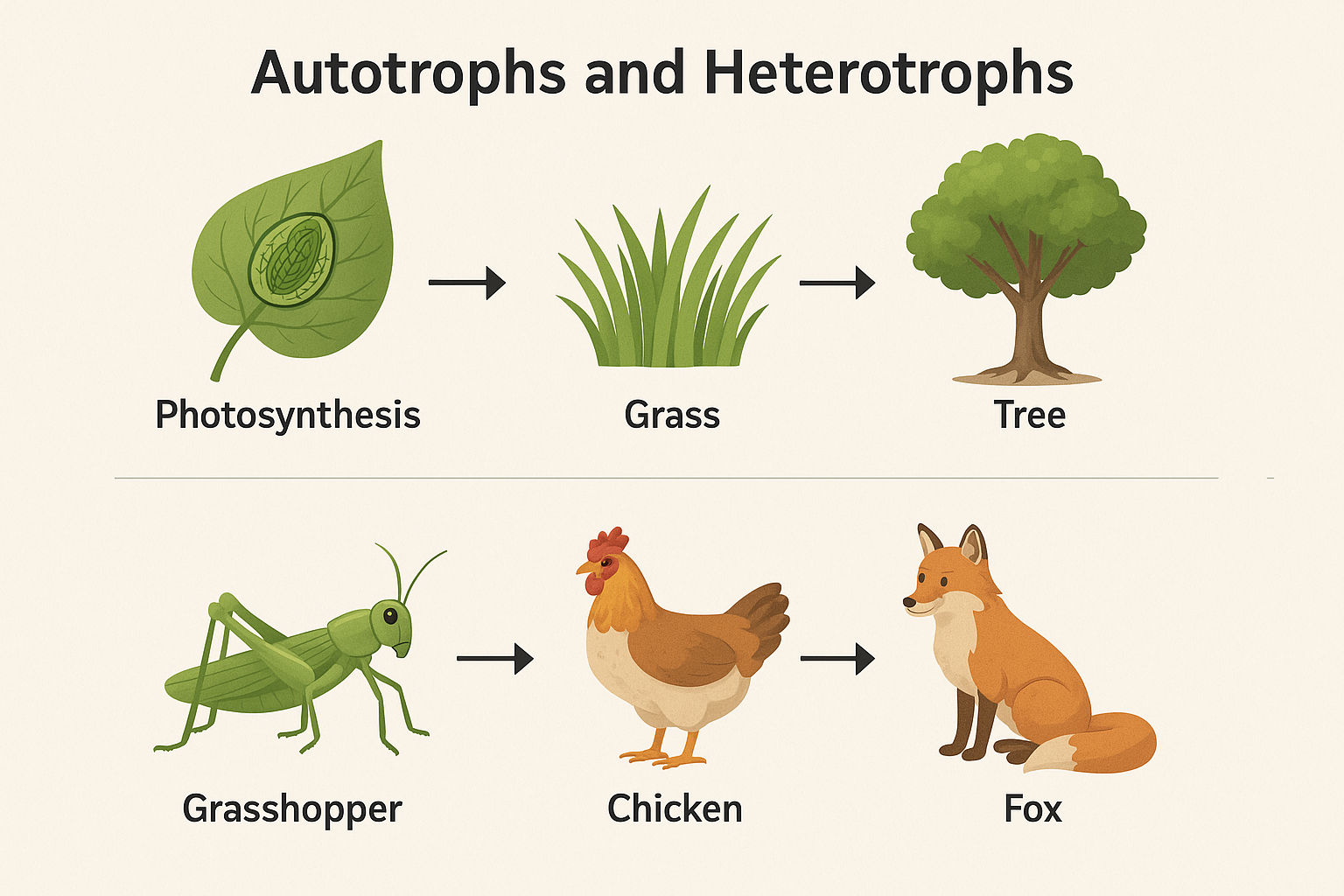
Autotrophic Nutrition
Autotrophic nutrition is a mode of nutrition in which organisms prepare their own food using simple inorganic substances like carbon dioxide and water, generally in the presence of sunlight. Organisms that carry out this process are known as autotrophs. Green Plants (e.g., Mango, Neem), Algae (e.g., Spirogyra),Cyanobacteria (e.g., Nostoc, Anabaena), Sulfur bacteria (for chemosynthesis) are some examples for this type.
Types of Autotrophic Nutrition:
- Photosynthetic Autotrophs: These organisms use sunlight as an energy source to convert carbon dioxide and water into glucose (food) through the process of photosynthesis.
- Chemosynthetic Autotrophs: These organisms obtain energy by oxidizing chemical substances such as ammonia, nitrates, or sulfur instead of using sunlight.
Photosynthesis
Photosynthesis is the vital biological process by which green plants, algae, and some bacteria convert light energy from the sun into chemical energy stored in glucose (a type of sugar). This process takes place primarily in the chloroplasts of plant cells, which contain a green pigment called chlorophyll that captures sunlight. During photosynthesis, plants take in carbon dioxide (CO2) from the air through small pores in their leaves called stomata and absorb water (H2O) from the soil through their roots. Using sunlight as the energy source, these raw materials undergo a series of chemical reactions to produce glucose (C6H12O6) and release oxygen (O2) as a byproduct. The overall equation of photosynthesis is: 6CO2 + 6H2O + light energy ---> C6H12O6 + 6O2. Photosynthesis is essential for life on Earth as it not only provides food and energy for plants but also supplies oxygen for respiration in animals and humans. Moreover, it plays a key role in maintaining the balance of gases in the atmosphere and forms the foundation of most food chains.
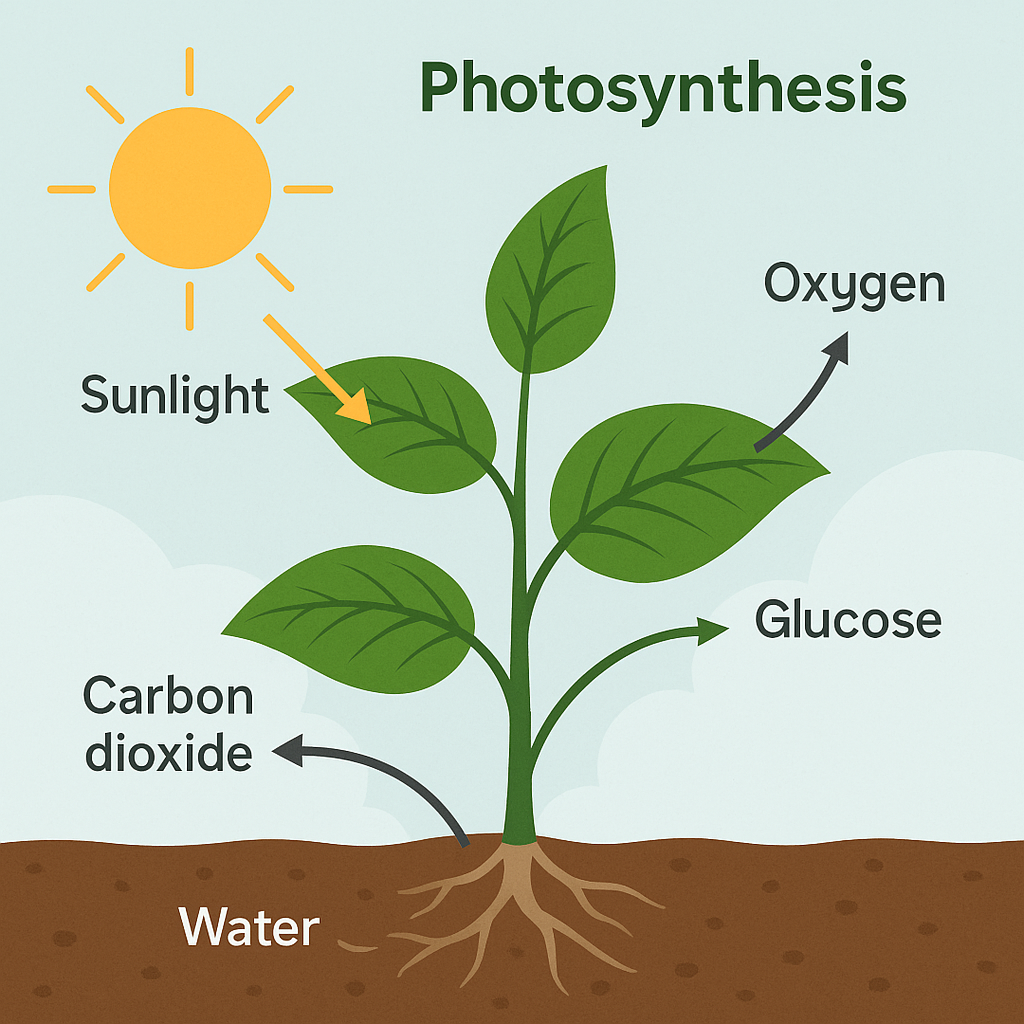
Stages of Photosynthesis:
Light-dependent Reactions (Photo Phase), Occur in the thylakoid membranes of chloroplasts which requires sunlight and water. Water molecules are split (photolysis), releasing oxygen thereby energy molecules ATP and NADPH are formed. strong>Light-independent Reactions (Dark Phase / Calvin Cycle): Occur in the stroma of chloroplasts and it does not require light directly. This process uses ATP and NADPH to convert carbon dioxide into glucose (C6H12O6)
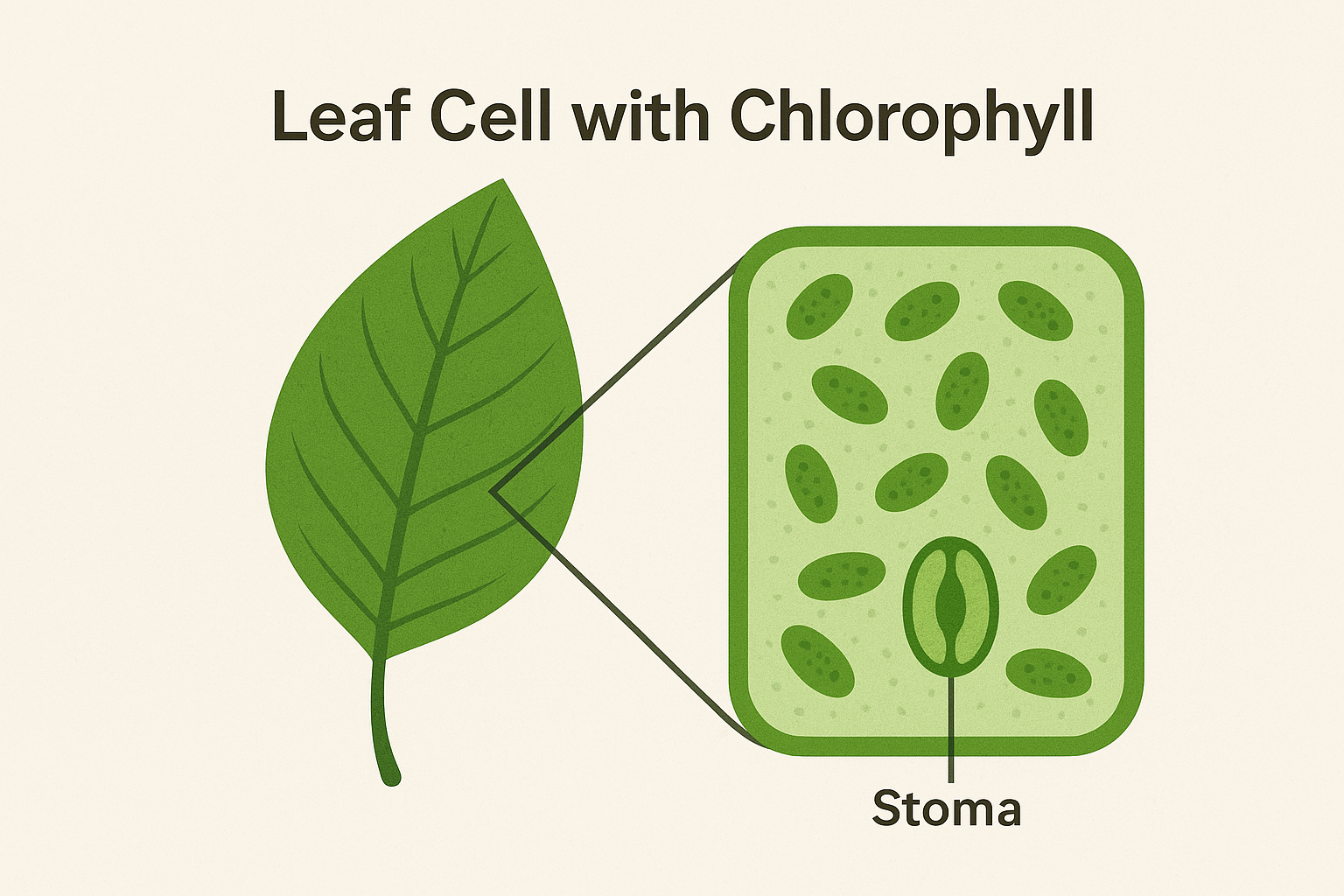
Structure of a Leaf (for Photosynthesis):
Cuticle: Waxy layer to prevent water loss during the process , while the
Upper epidermis, a transparent layer allows light penetration alongside
Mesophyll: which contains chloroplasts for photosynthesis.
The small tiny pores/openings called
Stomata: help in teh gaseous exchange.
Importance of Photosynthesis:
- Provides food for all autotrophic and heterotrophic organisms
- Releases oxygen essential for respiration in animals and humans
- Maintains atmospheric balance of oxygen and carbon dioxide
- Acts as the base of all food chains
Did You Know? A single tree can absorb nearly 20 kg of carbon dioxide per year through photosynthesis and release enough oxygen for a human to breathe for about two years!
Transportation in Plants
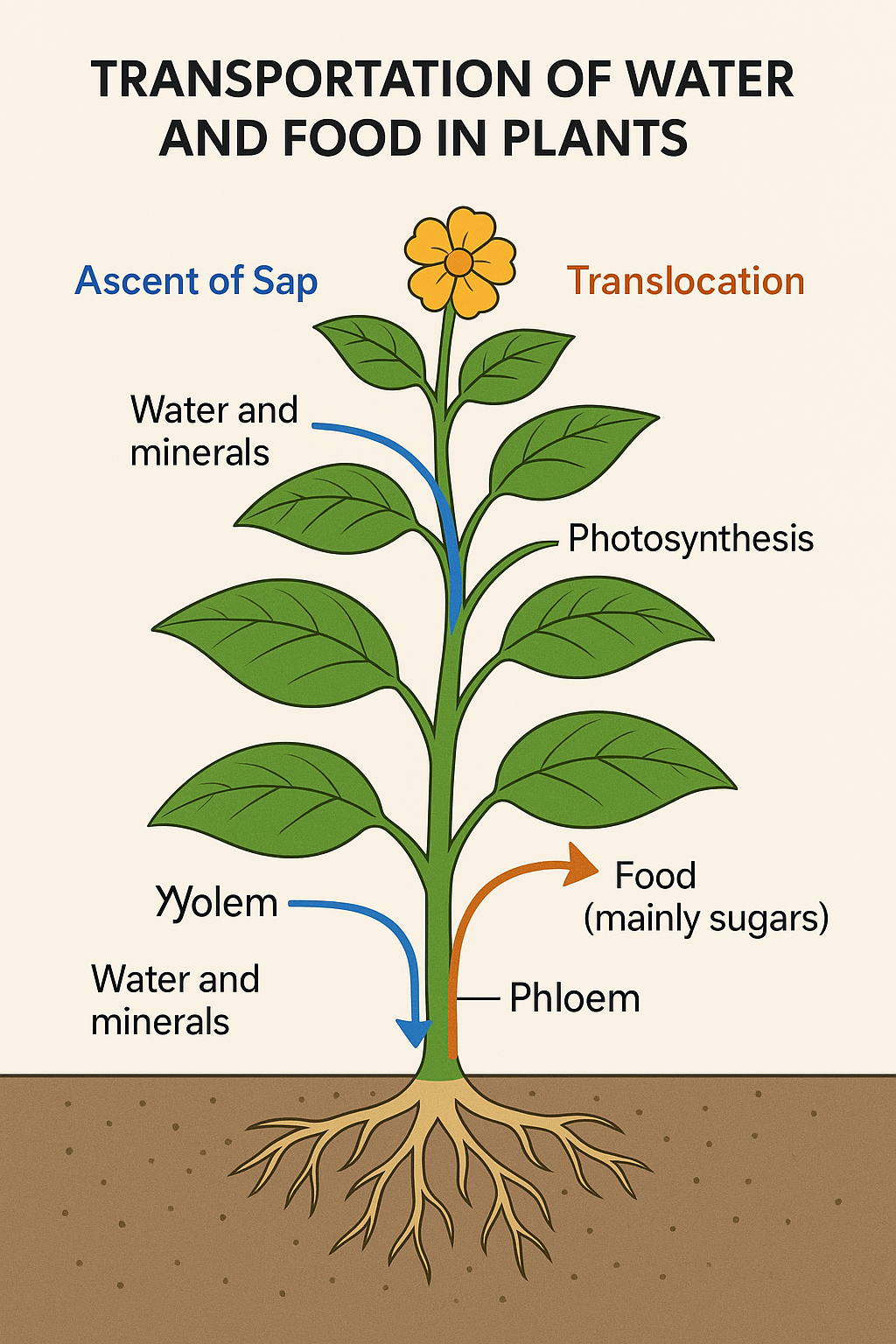
Transportation in plants refers to the movement of water, minerals, and food from one part of the plant to another. Plants use specialized tissues for this purpose xylem and phloem which help them survive, grow, and function efficiently.
1. Transport of Water and Minerals .Xylem-
- Xylem carries water and mineral salts from roots to all parts of the plant.
- Movement is unidirectional from roots upward to leaves.
- Root Pressure: Active absorption of minerals draws water osmotically.
- Capillary Action: Movement of water due to cohesion and adhesion in narrow tubes.
- Transpiration Pull: Evaporation of water from leaves pulls more water upward.
2. Transport of Food by .Phloem-
.- Phloem transports the food (mainly sucrose) made during photosynthesis from leaves to other plant parts.
- Process is called translocation and is bidirectional food moves to wherever it is needed.
- Uses energy for active transport; assisted by companion cells.
Comparison between Xylem and Phloem
| Feature | Xylem | Phloem |
|---|---|---|
| Transports | Water and minerals | Food (sugars and amino acids) |
| Direction of Flow | Unidirectional (roots to leaves) | Bidirectional (source to sink) |
| Tissue Components | Tracheids and vessels | Sieve tubes and companion cells |
| Energy Requirement | Passive (no energy) | Active (requires energy) |
| Process Name | Ascent of sap | Translocation |
Importance of Transportation in Plants
- Delivers water and minerals to photosynthesizing tissues.
- Distributes food to growing parts and storage organs.
- Helps maintain turgor pressure and structural support.
- Assists in cooling the plant through transpiration.
Respiration in Plants
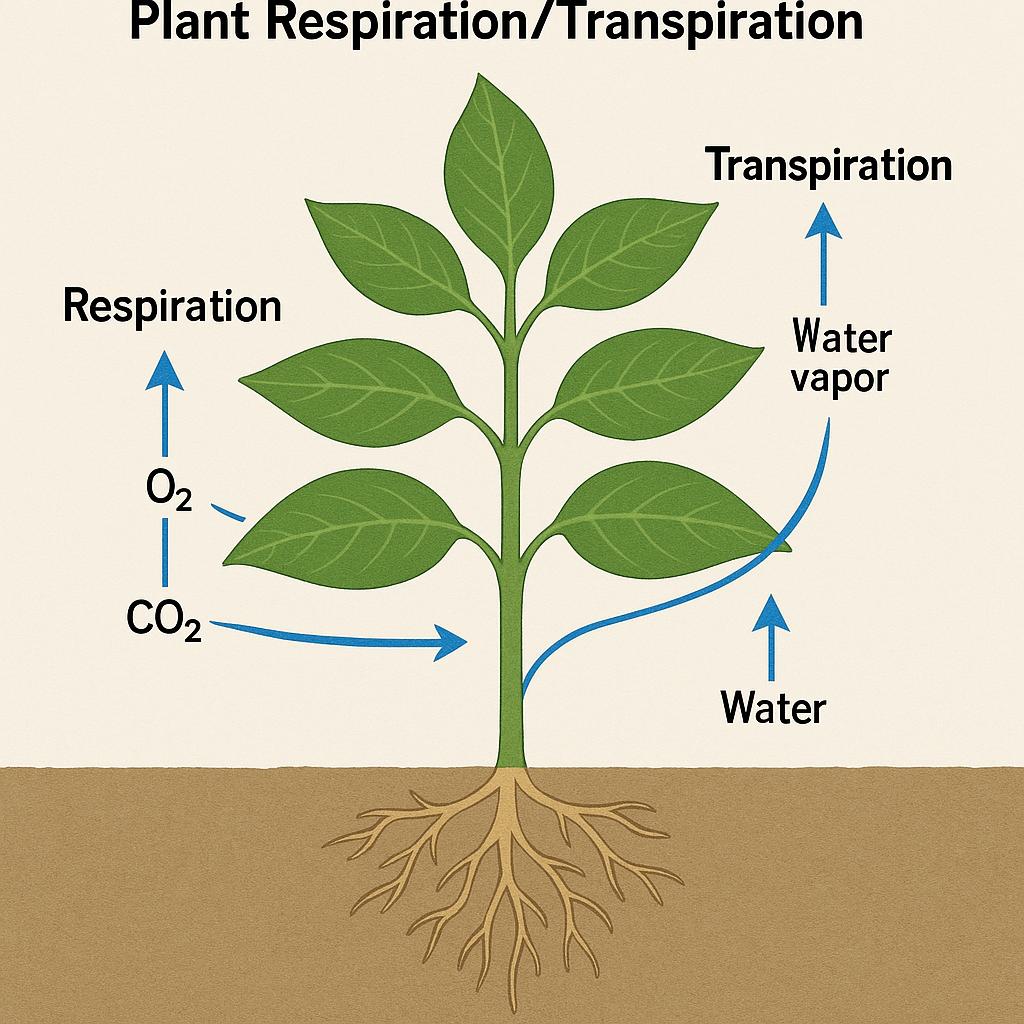
Respiration is the biochemical process by which plants break down glucose (sugar) to release energy. This energy is used for various cellular activities such as growth, repair, and transport of substances.
Types of Respiration
- Aerobic Respiration: Occurs in the presence of oxygen. Glucose is completely broken down into carbon dioxide and water, releasing large amounts of energy (ATP).
- Anaerobic Respiration: Occurs in the absence of oxygen (e.g., in waterlogged roots). Produces less energy and leads to the formation of by-products like ethanol or lactic acid.
Word Equation for Aerobic Respiration
Glucose + Oxygen gives Carbon dioxide + Water + Energy (ATP)
Cellular Respiration in Plant Cells
Cellular respiration is the process by which plant cells convert glucose (produced during photosynthesis) into usable energy in the form of ATP (Adenosine Triphosphate). This energy powers cellular functions such as synthesis, active transport, and growth.
Where Does It Occur?
- Glycolysis: In the cytoplasm
- Krebs Cycle: In the mitochondria
- Electron Transport Chain (ETC): Inner mitochondrial membrane
Stages of Cellular Respiration
- Glycolysis:
- Occurs in the cytoplasm
- Breaks one molecule of glucose (C6H12O6) into two molecules of pyruvate
- Produces a net gain of 2 ATP and 2 NADH
- Does not require oxygen (anaerobic)
- Krebs Cycle (Citric Acid Cycle):
- Occurs in the matrix of mitochondria
- Each pyruvate is broken down to release carbon dioxide
- Produces 2 ATP, 6 NADH, and 2 FADH2
- Electron Transport Chain (ETC):
- Takes place in the inner mitochondrial membrane
- Electrons from NADH and FADH2 move through proteins and generate ATP
- Oxygen acts as the final electron acceptor and forms water
- Generates 32 to 34 ATP molecules
Overall Equation of Aerobic Respiration
C6H12O6 + 6O2 Gives 6CO2 + 6H2O + Energy (ATP)
Importance of Cellular Respiration in Plants
- Provides energy (ATP) for cellular activities like growth, repair, and transport
- Occurs continuously in all plant cells (day and night)
- Complements photosynthesis by using its products (glucose and oxygen)
Difference Between Cellular Respiration and Photosynthesis
| Feature | Cellular Respiration | Photosynthesis |
|---|---|---|
| Occurs In | All living cells | Only in green plant cells (with chloroplasts) |
| Time of Occurrence | Day and Night | Only in the presence of sunlight |
| Reactants | Glucose and Oxygen | Carbon Dioxide and Water |
| End Products | Carbon Dioxide, Water, and ATP | Glucose and Oxygen |
| Energy | Released as ATP | Stored as Glucose |
Exchange of Gases in Plants
- Plants take in oxygen and release carbon dioxide during respiration.
- This occurs through stomata in leaves and lenticels in stems.
- No respiratory system is required due to the small size and low energy demands of plant cells.
Importance of Respiration in Plants
- Provides energy (ATP) for all vital plant processes.
- Supports cell division, growth, and repair.
- Helps in the active transport of nutrients and water.
- Maintains cellular metabolism even in the absence of sunlight.
Excretion in Plants
Excretion is the process of removing metabolic waste products from the body. In plants, the process of excretion is less complex compared to animals due to their simpler lifestyle and slower metabolism. Plants produce fewer toxic substances and can reuse or store waste materials efficiently.
Why is Excretion Necessary in Plants?
- To remove harmful metabolic byproducts
- To maintain internal balance (homeostasis)
- To avoid damage to cells and tissues
Waste Products in Plants
- Carbon Dioxide (CO2): Released during respiration
- Oxygen (O2): Excess produced during photosynthesis
- Water (H2O): Excess water removed by transpiration
- Gums and Resins: Stored in old xylem or secreted out
- Latex and Alkaloids: Often stored in special structures or exuded
Modes of Excretion in Plants
- Stomatal Diffusion:
- Excess gases like oxygen and carbon dioxide are released through stomata in leaves.
- Transpiration:
- Excess water is removed in the form of water vapor through stomata and lenticels.
- Storage in Dead Tissues:
- Wastes like tannins, resins, and gums are stored in non-living cells like bark or heartwood.
- Leaf Fall:
- Some waste materials are stored in old leaves, which fall off during leaf shedding (abscission).
- Secretion into Soil:
- Some plants release toxic substances through roots to eliminate waste or inhibit other plants.
Special Structures Involved in Excretion
- Stomata: Present on leaf surfaces; release gases and water vapor
- Lenticels: Openings in woody stems for gas exchange and water loss
- Vacuoles: Store harmful substances before they are excreted or recycled
- Bark and Old Xylem: Act as storage sites for insoluble or waste substances
Differences Between Plant and Animal Excretion
| Feature | Plant Excretion | Animal Excretion |
|---|---|---|
| Complexity | Simple and passive | Complex and active |
| Main Wastes | O2, CO2, Water, Resins, Gums | Urea, Ammonia, Uric acid |
| Excretory Organs | None (use stomata, lenticels, vacuoles) | Specialized organs like kidneys, liver, lungs |
| Energy Requirement | Mostly passive processes | Requires energy for active transport |
Movement in Plants
Unlike animals, plants are fixed to the ground and cannot move from one place to another. However, they do exhibit various types of **movements in response to stimuli**. These movements are usually slow and are controlled by **hormonal signals** or external environmental factors like light, gravity, touch, and water.
Types of Movements in Plants
1. Tropic Movements (Directional)
Tropic movements are growth movements in response to external stimuli. They are **directional** and occur toward or away from the stimulus.
- Phototropism: Movement in response to light (e.g., stem bends toward sunlight)
- Geotropism: Movement in response to gravity (e.g., roots grow downward)
- Hydrotropism: Movement in response to water (e.g., roots grow toward water source)
- Thigmotropism: Movement in response to touch (e.g., tendrils wrapping around a support)
- Chemotropism: Movement in response to chemicals (e.g., pollen tubes growing toward ovules)
2. Nastic Movements (Non-directional)
Nastic movements are non-directional responses to stimuli. They are not dependent on the direction of the stimulus but on its intensity or type.
- Thigmonasty (Seismonasty): Response to touch or mechanical shock (e.g., Mimosa pudica folding leaves)
- Photonasty: Response to changes in light intensity (e.g., flowers opening during the day and closing at night)
- Thermonasty: Response to temperature (e.g., tulip flowers opening in warmth)
3. Turgor Movements
These movements occur due to changes in **turgor pressure** (water pressure inside plant cells), often seen in **leaf movements**.
- Example: Touch-me-not plant (Mimosa pudica) folds its leaves quickly in response to touch due to rapid loss of turgor pressure in the pulvinus cells.
Plant Hormones Involved in Movement
- Auxins: Promote elongation of cells and are involved in phototropism and geotropism
- Gibberellins: Stimulate stem elongation
- Cytokinins: Promote cell division
- Abscisic Acid (ABA): Inhibits growth, promotes dormancy
- Ethylene: Promotes fruit ripening and leaf fall
Comparison of Tropic and Nastic Movements
| Feature | Tropic Movement | Nastic Movement |
|---|---|---|
| Type | Directional (towards or away from stimulus) | Non-directional (independent of stimulus direction) |
| Cause | Growth-based | Turgor pressure-based |
| Examples | Phototropism, Geotropism | Thigmonasty, Photonasty |
Life Processes in Unicellular Organisms
Unicellular organisms, such as Amoeba, Paramecium, and Euglena, consist of a single cell that performs all the necessary life processes. Unlike multicellular organisms where different organs perform different functions, a unicellular organism carries out all vital activities using various specialized parts of a single cell.
Major Life Processes in Unicellular Organisms:
1. Nutrition
- Amoeba: Exhibits .holozoic nutrition-. It engulfs food particles using pseudopodia (temporary extensions of the cell membrane) in a process called phagocytosis.
- Paramecium: Uses cilia to sweep food into an oral groove.
- Euglena: Has both autotrophic (photosynthesis using chloroplasts) and heterotrophic (absorbing nutrients from surroundings) modes of nutrition.
2. Respiration
Unicellular organisms perform respiration at the cellular level through their cell membranes. Most of them carry out anaerobic respiration (without oxygen), but some (like Euglena) can perform aerobic respiration in the presence of oxygen.
3. Transportation
These organisms do not have a specialized circulatory system. Instead, they rely on diffusion to transport nutrients, gases, and waste materials across the cell membrane due to their small size.
4. Excretion
Metabolic wastes such as ammonia are removed by simple diffusion through the cell membrane. Some organisms (e.g., Paramecium) use a contractile vacuole to collect and expel excess water and waste.
5. Reproduction
- Mostly reproduce through asexual reproduction like .binary fission- (e.g., Amoeba, Bacteria) or .budding- (e.g., Yeast).
- Some may also reproduce sexually under unfavorable conditions (e.g., conjugation in Paramecium).
Nutrition, Digestion, and Excretion in .Amoeba-
1. Nutrition in Amoeba
Amoeba is a unicellular organism that follows a holozoic mode of nutrition, which includes the ingestion, digestion, absorption, assimilation, and egestion of food. It feeds on microscopic organisms like algae, bacteria, and protozoa.
Steps Involved:
- Ingestion: Amoeba surrounds food particles using finger-like projections called .pseudopodia- to form a food vacuole.
- Digestion: Enzymes are secreted into the food vacuole, breaking down complex food into simpler substances.
- Absorption: The digested nutrients are absorbed directly into the cytoplasm for cellular functions and energy.
- Assimilation: Absorbed nutrients are used for growth, repair, and energy production.
- Egestion: Undigested waste is expelled from the cell through the surface membrane at any point.
2. Digestion in Amoeba
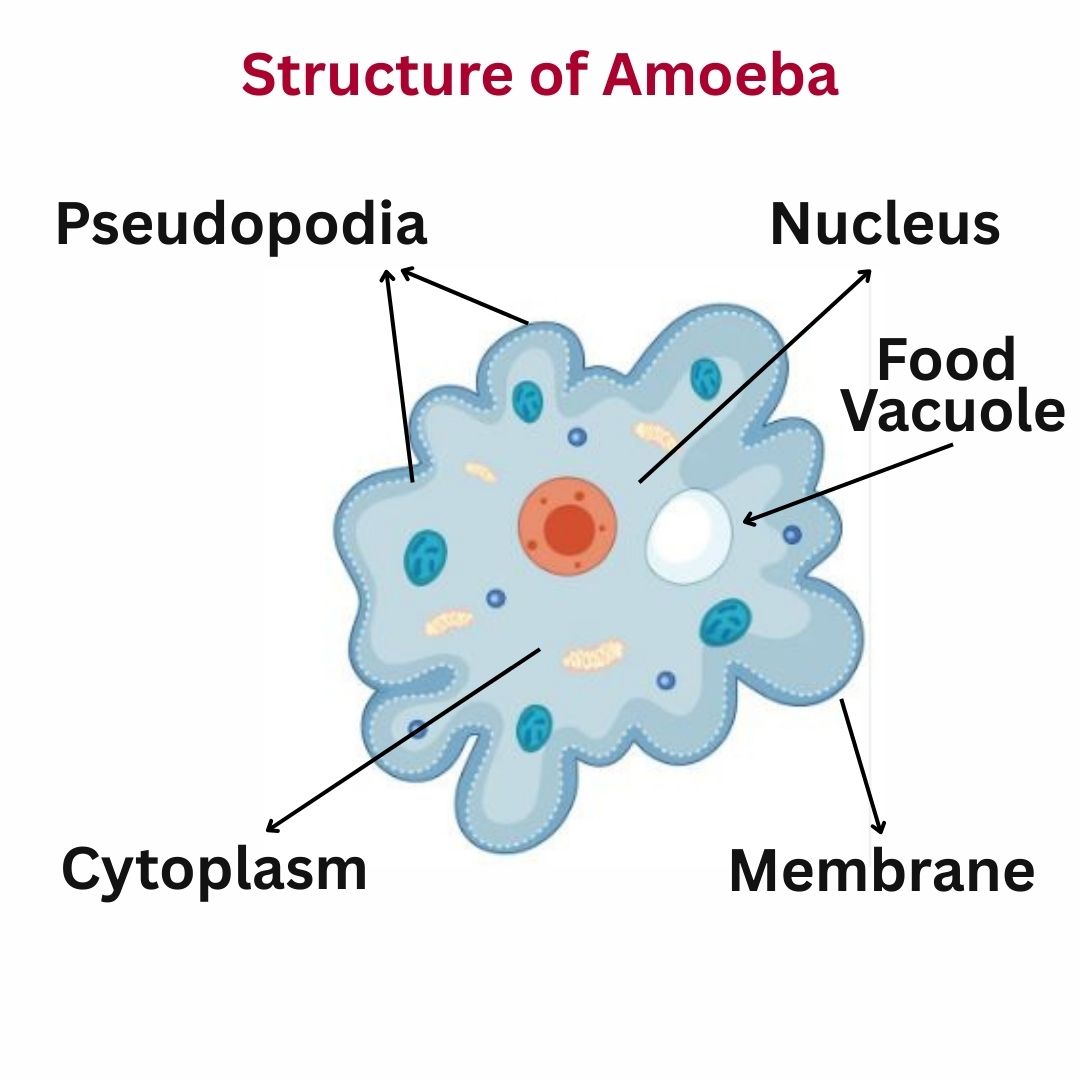
Digestion in Amoeba is intracellular, occurring inside the food vacuole. It involves:
- Enzymatic Breakdown: Digestive enzymes break complex substances like carbohydrates, proteins, and fats into simpler forms like sugars, amino acids, and fatty acids.
- Acidic Environment: The vacuole maintains a slightly acidic medium, ideal for enzyme activity.
- Simple Diffusion: Digested nutrients move into the cytoplasm by diffusion.
3. Excretion in Amoeba
Amoeba lacks a specialized excretory organ. It excretes waste materials like carbon dioxide and ammonia by:
- Simple Diffusion: Waste diffuses through the selectively permeable cell membrane into the surrounding water.
- Contractile Vacuole: Helps in removing excess water and maintaining osmoregulation. It collects water and bursts periodically to expel it.
Summary
| Process | Method in Amoeba |
|---|---|
| Nutrition | Holozoic as ingestion happens through pseudopodia, digestion in food vacuole, absorption into cytoplasm |
| Digestion | Intracellular as there is enzymatic breakdown inside food vacuole |
| Excretion | By diffusion of waste (e.g., CO2, ammonia); contractile vacuole removes excess water |
Respiration in Humans
Respiration is the biochemical process through which energy is released from the breakdown of glucose in the presence of oxygen. In humans, this process is crucial for survival and occurs continuously in every cell to support bodily functions.
Types of Respiration:
- Aerobic Respiration: Takes place in the presence of oxygen. Glucose is completely broken down into carbon dioxide and water, releasing large amounts of energy.
- Anaerobic Respiration: Occurs in the absence of oxygen (e.g., in muscle cells during vigorous exercise), producing less energy and lactic acid as a byproduct.
Equation for Aerobic Respiration:
C6H12O6 + 6O2 -----> 6CO2 + 6H2O + Energy (ATP)
Human Respiratory System Organs
- Nose: The primary entrance for air. The inner lining of the nose has hair and mucus which filter out dust particles and microorganisms. It also warms and moistens the air before it passes to the lungs, protecting the delicate tissues in the lower respiratory tract.
- Pharynx (Throat): A muscular tube that serves as a common passageway for both air and food. During breathing, air moves from the nose to the larynx through the pharynx.
- Larynx (Voice Box): Located just below the pharynx, it contains the vocal cords that vibrate to produce sound when we speak. The epiglottis, a flap-like structure, prevents food from entering the windpipe while swallowing.
- Trachea (Windpipe): A tube supported by C-shaped cartilage rings to prevent it from collapsing. The inner lining has cilia (tiny hair-like structures) and mucus-producing cells that trap dust, pollen, and microbes. Ciliary movement pushes these particles upward toward the throat for expulsion.
- Bronchi: The trachea divides into two main bronchi (left and right), each entering a lung. These tubes carry air from the trachea into the lungs and are also lined with mucus and cilia.
- Bronchioles: Smaller branches of the bronchi that spread throughout the lungs. These tiny airways help distribute air evenly to all parts of the lungs and end in clusters of alveoli.
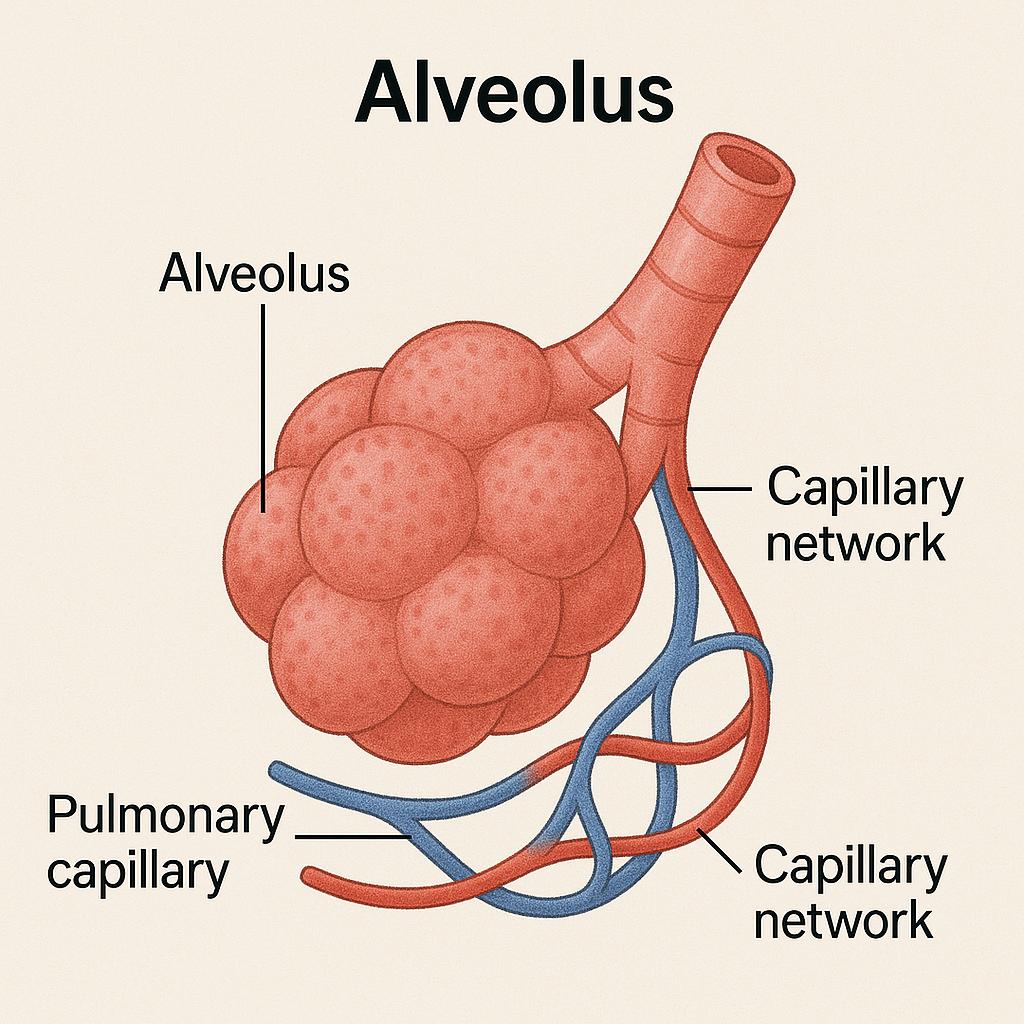
- Alveoli: Microscopic, balloon-like air sacs where the actual exchange of gases (oxygen and carbon dioxide) takes place. Alveoli have very thin walls and are surrounded by a dense network of capillaries. Oxygen diffuses into the blood, and carbon dioxide diffuses out to be exhaled.
- Lungs: A pair of spongy organs that occupy most of the chest cavity. The right lung has three lobes, and the left has two (to accommodate the heart). They are enclosed in a protective membrane called the pleura and are protected by the rib cage. The diaphragm and intercostal muscles aid in expansion and contraction during breathing.
Gaseous Exchange:
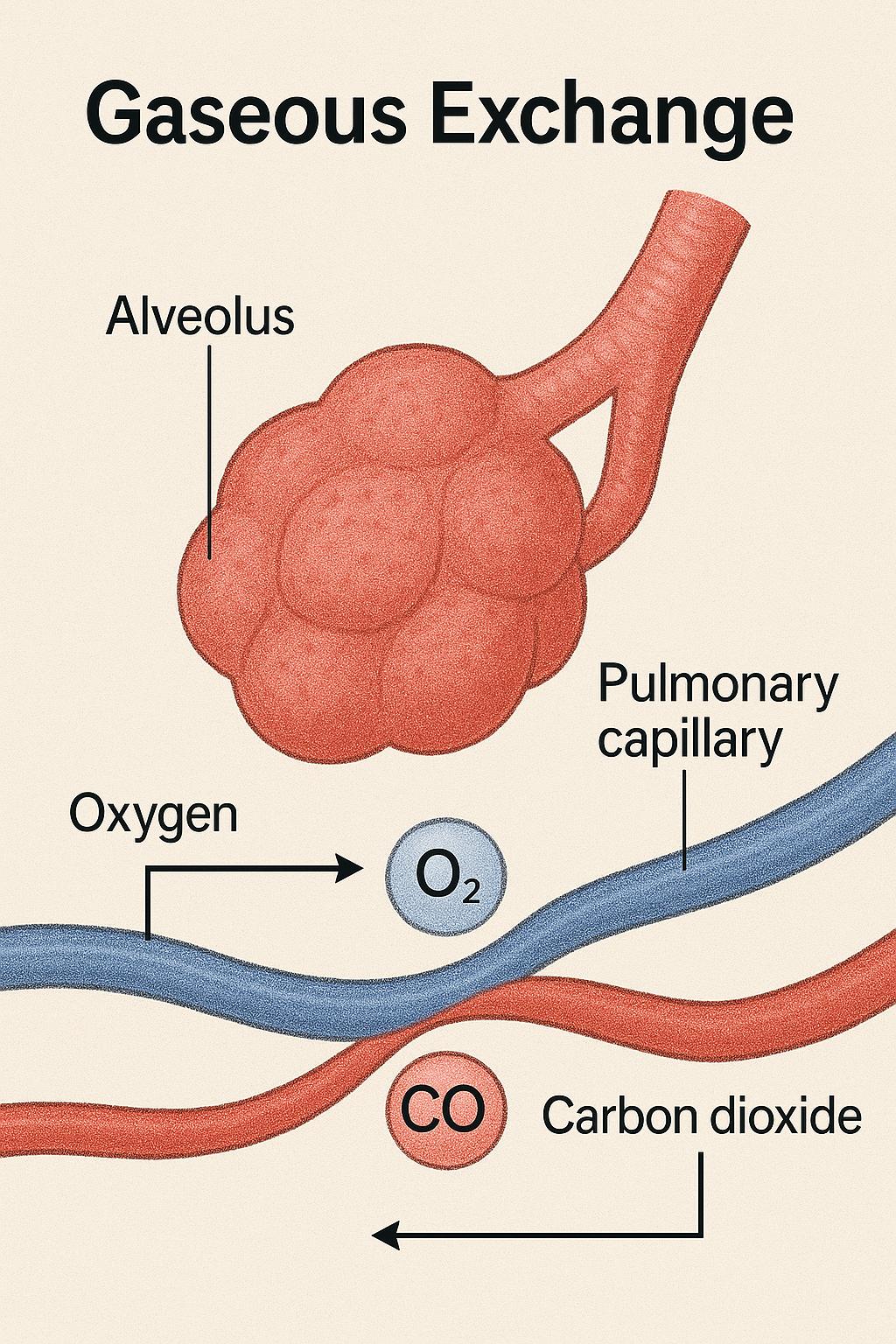
- Oxygen from inhaled air diffuses into the blood from the alveoli.
- Carbon dioxide from the blood diffuses into the alveoli to be exhaled.
Mechanism of Breathing:
- Inhalation: Diaphragm contracts and moves downward, rib cage expands, air is drawn into the lungs.
- Exhalation: Diaphragm relaxes and moves up, rib cage contracts, air is pushed out of the lungs.
Importance of Respiration:
- Provides energy (ATP) required for bodily functions such as movement, growth, repair, and maintenance.
- Removes carbon dioxide, a waste product of cellular activities.
External and Internal Respiration
Respiration in humans involves two main stages: external respiration and internal respiration. Both processes are crucial for ensuring that oxygen reaches body cells and carbon dioxide is expelled from the body.
1. External Respiration
External respiration, also called .pulmonary respiration-, occurs in the lungs. It is the process of gas exchange between the air in the alveoli and the blood in the pulmonary capillaries.
Key Steps in External Respiration:
- When you inhale, air containing oxygen enters the lungs and reaches the alveoli.
- Oxygen diffuses across the alveolar membrane into the blood in surrounding capillaries.
- At the same time, carbon dioxide (a waste gas from cellular respiration) diffuses from the blood into the alveoli.
- This carbon dioxide is expelled from the body during exhalation.
2. Internal Respiration
Internal respiration takes place in the body tissues. It is the exchange of gases between the blood in systemic capillaries and the cells of the body.
Key Steps in Internal Respiration:
- Oxygen-rich blood is transported from the lungs to the body tissues via the circulatory system.
- Oxygen diffuses from the red blood cells (in capillaries) into the surrounding body cells.
- Cells use this oxygen for cellular respiration to produce energy (ATP).
- Carbon dioxide, produced as a byproduct in cells, diffuses into the blood to be carried back to the lungs.
Difference Between External and Internal Respiration:
| Feature | External Respiration | Internal Respiration |
|---|---|---|
| Location | Between alveoli and blood in lungs | Between blood and body tissues |
| Direction of Oxygen | From alveoli into blood | From blood into body cells |
| Direction of Carbon Dioxide | From blood into alveoli | From body cells into blood |
| Purpose | To oxygenate blood and remove CO2 | To supply oxygen to cells and collect CO2 |
Transportation in the Human Body
Transportation is a vital life process in humans that ensures the movement of essential substances like oxygen, nutrients, hormones, and waste products throughout the body. This function is carried out by a specialized system called the circulatory system.
1. Components of the Human Circulatory System:
- Heart: A muscular, four-chambered organ that acts as a pump to circulate blood. It consists of two atria (upper chambers) and two ventricles (lower chambers). The heart pumps oxygenated blood to the body and deoxygenated blood to the lungs.
- Functions:
- Transport of oxygen from lungs to body tissues.
- Transport of carbon dioxide back to the lungs.
- Maintain pH balance in the blood by acting as a buffer.
- Functions:
- Fight infections through phagocytosis and antibody production.
- Immune response via B-cells and T-cells.
- Involved in allergic reactions and inflammation.
- Functions:
- Initiate blood clotting at the site of injury.
- Prevent blood loss by forming a platelet plug.
- Release growth factors for wound healing.
- Blood Vessels: Tubes that carry blood throughout the body.
- Arteries: Carry oxygenated blood away from the heart (except the pulmonary artery).
- Veins: Carry deoxygenated blood towards the heart (except the pulmonary vein).
- Capillaries: Microscopic vessels where exchange of gases, nutrients, and wastes takes place between blood and tissues.
- Pulmonary Circulation: The pathway of blood between the heart and lungs. Deoxygenated blood is pumped from the right ventricle to the lungs and oxygenated blood returns to the left atrium.
- Systemic Circulation: The pathway of blood between the heart and the rest of the body. Oxygenated blood is pumped from the left ventricle to the body, and deoxygenated blood returns to the right atrium.
- Transport of oxygen from lungs to tissues and carbon dioxide from tissues to lungs
- Distribution of nutrients absorbed from the intestines to all body cells
- Removal of waste products from tissues to excretory organs
- Transport of hormones from endocrine glands to target organs
- Regulation of body temperature
- Protection against infections through WBCs and antibodies
- A network of lymph vessels and nodes
- Carries lymph ,a fluid similar to plasma but without RBCs
- Helps in the transport of proteins, fats, and defense against infections
- Supports growth and development in children.
- Boosts immune system to fight diseases.
- Maintains energy levels and physical performance.
- Prevents lifestyle diseases like diabetes, obesity, and heart problems.
-
Ingestion:
This is the first step of nutrition where food is taken into the body through the mouth. The process involves chewing (mastication) which breaks down food into smaller pieces, mixing it with saliva to form a soft mass called bolus. Saliva contains enzymes that begin the digestion of carbohydrates even before the food is swallowed.
-
Digestion:
Digestion is the process of breaking down complex food into simpler, absorbable forms. It includes:
- Mechanical digestion: Physical breakdown of food by chewing and muscular contractions of the stomach.
- Chemical digestion: Involves digestive enzymes and acids that break down carbohydrates, proteins, and fats into glucose, amino acids, and fatty acids respectively.
Digestion starts in the mouth (with salivary enzymes), continues in the stomach (using gastric juices), and is completed in the small intestine with the help of enzymes from the pancreas and bile from the liver.
-
Absorption:
This is the process by which digested nutrients (glucose, amino acids, fatty acids, vitamins, minerals, and water) are absorbed into the bloodstream or lymph through the walls of the small intestine. Tiny finger-like projections called villi and microvilli greatly increase the surface area for absorption in the small intestine.
-
Assimilation:
Assimilation refers to the utilization of the absorbed nutrients by body cells. These nutrients are transported via blood to different cells, where:
- Glucose is used for energy through cellular respiration.
- Amino acids help in the synthesis of proteins for growth and tissue repair.
- Fats provide stored energy and are used for insulation and cell membranes.
-
Egestion:
This is the final step where undigested and unabsorbed food materials (like dietary fiber and waste) are expelled from the body in the form of feces through the rectum and anus. This process is essential to remove unwanted materials and maintain a healthy digestive system.
- Carbohydrates: Main energy source. Found in rice, wheat, bread, fruits.
- Proteins: Essential for growth and tissue repair. Sources include pulses, meat, eggs, dairy.
- Fats: Provide energy and help absorb vitamins. Found in oils, butter, nuts.
- Vitamins: Required in small amounts for various metabolic functions. Each vitamin has a specific role (e.g., Vitamin C for immunity).
- Minerals: Inorganic substances required for body functions like bone formation (calcium), blood production (iron), etc.
- Water: Maintains hydration, regulates body temperature, and supports metabolic reactions.
- Dietary Fiber: Helps regulate bowel movements and supports digestion.
-
Mouth (Oral Cavity):
- First site of digestion where food is chewed and mixed with saliva.
- Saliva contains the enzyme salivary amylase that starts breaking down starch into sugars.
- The tongue helps in mixing the food and pushing it into the pharynx. Teeth helps in biting, shearing, cutting and grinding food.
-
Pharynx and Esophagus:
- Pharynx serves as a passage for food to the esophagus.
- Esophagus is a muscular tube that moves food to the stomach through rhythmic contractions called peristalsis.
-
Stomach:
- A muscular organ where food is churned and mixed with gastric juices.
- Gastric juice contains hydrochloric acid (HCl) and the enzyme pepsin that breaks down proteins into peptides.
- Food is converted into a semi-liquid substance called chyme.
-
Small Intestine:
- The longest part of the digestive tract, about 6 meters in length.
- Divided into three parts: duodenum, jejunum, and ileum.
- Duodenum receives bile (from liver) and pancreatic juices (from pancreas) for digestion of fats, carbohydrates, and proteins.
- Most absorption of nutrients takes place in the jejunum and ileum through villi and microvilli.
-
Liver:
- The largest gland in the body.
- Produces bile, which helps in emulsification (breakdown) of fats.
- Also detoxifies harmful substances and stores glucose as glycogen.
-
Gallbladder:
- Stores and concentrates bile produced by the liver.
- Releases bile into the duodenum when fatty food is consumed.
-
Pancreas:
- Secretes pancreatic juice containing enzymes like amylase, lipase, and trypsin.
- Also has endocrine functions (produces insulin and glucagon).
-
Large Intestine (Colon):
- Absorbs excess water and salts from the undigested food.
- Helps in the formation and storage of feces.
- Houses beneficial bacteria that produce vitamins like Vitamin K.
-
Rectum and Anus:
- Rectum stores feces temporarily.
- Feces are expelled through the anus in the process called egestion.
- Converts complex food substances into simple absorbable forms.
- Supplies essential nutrients for energy, growth, and repair.
- Helps in maintaining the water and electrolyte balance in opur body.
- Plays a vital role in immunity through gut flora (microorganisms in the intestines).
- Renal Cortex: The outer region of the kidney; contains parts of nephrons (glomeruli and convoluted tubules).
- Renal Medulla: Inner part made up of renal pyramids, where loops of Henle and collecting ducts are found.
- Renal Pelvis: A funnel-shaped structure that collects urine from the pyramids and channels it to the ureter.
- Nephron: The functional unit of the kidney (about 1 million per kidney), responsible for filtration and urine formation.
- Filtration: Occurs in the glomerulus; removes water, urea, glucose, and salts from the blood.
- Reabsorption: Vital substances like glucose, amino acids, and water are reabsorbed in the tubules.
- Secretion: Hydrogen ions, potassium, and drugs are secreted into the tubule from blood.
- Urine Formation: Final product flows into the collecting ducts, then to the renal pelvis, and finally into the ureter.
- Three layers: Inner mucosa (transitional epithelium), middle muscularis (smooth muscle), and outer adventitia (connective tissue).
- Peristalsis: Rhythmic muscle contractions push urine downward into the bladder.
- Detrusor muscle: Smooth muscle layers in the wall that contract during urination.
- Internal sphincter: Involuntary muscle at the bladder neck controlling urine release.
- External sphincter: Voluntary skeletal muscle allowing conscious control of urination.
- Stores urine under low pressure
- Contracts during micturition (urination) to expel urine through the urethra
- Urothelium lining: Mucosal layer protecting the epithelium from urine toxins.
- Surrounded by sphincters: Control voluntary and involuntary urine release.
- In males: Also acts as a reproductive passage for semen.
- Structure: Contains sweat glands that excrete water, salts, and small amounts of urea.
- Function: Helps regulate body temperature and removes excess salts.
- Structure: Alveoli are surrounded by capillaries allowing gaseous exchange.
- Function: Excrete carbon dioxide and water vapor during exhalation.
- Structure: Made up of lobules; processes blood and synthesizes bile.
- Function: Converts toxic ammonia into urea and breaks down old RBCs, alcohol, and drugs.
- Filtration: Occurs in the glomerulus (Bowman's capsule). Blood pressure forces water, urea, glucose, and salts out of the blood into the nephron.
- Reabsorption: Essential nutrients like glucose, amino acids, and some water are reabsorbed into the blood in the renal tubule.
- Secretion: Additional wastes like hydrogen and potassium ions are secr eted into the nephron from blood capillaries.
- Urine Formation: The remaining fluid, which contains urea, water, and waste ions, is called urine and is passed into the ureter.
- About 95% water
- 2% urea
- 3% salts, creatinine, uric acid, hormones, etc.
- Skin: Sweat glands release sweat composed of water, salt, and small amounts of urea.
- Lungs: Exhalation removes carbon dioxide and excess water vapor.
- Liver: Detoxifies drugs, alcohol, and breaks down old red blood cells, producing bile pigments.
- Prevents toxic build-up in the body
- Maintains water and ionic balance
- Regulates blood pressure and pH
- Ensures proper cellular function
- Why is diffusion insufficient to meet the oxygen requirements of multicellular organisms like humans?
Answer: Diffusion is insufficient to meet the oxygen requirements of multicellular organisms like humans because it is only effective over very short distances, making it far too slow to deliver oxygen to the many cells located deep within the body. Human tissues have high metabolic demands, and oxygen does not dissolve well enough in bodily fluids to diffuse in adequate amounts. As a result, complex organisms require specialized systems—such as lungs to provide a large surface area for gas exchange and a circulatory system with hemoglobin—to rapidly transport oxygen to all cells, something diffusion alone cannot accomplish. - What criteria do we use to decide whether something is alive?
Answer: Living things are identified based on several key criteria. They grow, reproduce, and use energy to carry out life processes. They also respond to stimuli, maintain a stable internal environment (homeostasis), and are made up of one or more cells, which are the basic units of life. Additionally, living organisms adapt and evolve over time. Anything that consistently shows these characteristics is considered alive. - What are outside raw materials used by an organism?
Answer: Food, water and oxygen are outside raw materials mostly used by an organism. Depending on the complexity of the organism its requirement may differ from organism to organism. Food helps to supply energy and provide materials for growth and development of body. Water provides medium in the cells for all metabolic processes necessary for living condition. And oxygen helps to oxidize food to release energy. - What processes would you consider essential for maintaining life?
Answer: The main life processes essential for a living organism are nutrition, respiration, transportation, excretion, reproduction, movement etc. which are considered essential. - What are the differences between autotrophic nutrition and heterotrophic nutrition?
Answer: - Where do plants get each of the raw materials required for photosynthesis?
Answer: Plants need various raw materials for their survival such as carbon dioxide, water , solar energy and minerals. They get carbon dioxide from the atmosphere through stomata. Roots absorb water and minerals from soil and transports to leaves and chlorophyll absorbs solar energy and converts into chemical energy. - What is the role of the acid in our stomach?
Answer: The acid in our stomach—mainly hydrochloric acid (HCl)—plays several important roles. It helps break down food into simpler forms, making digestion easier. It also creates an acidic environment that activates the enzyme pepsin, which is essential for digesting proteins. Additionally, stomach acid kills harmful bacteria and pathogens that may enter with food, protecting the body from infections. It also helps in the absorption of certain nutrients, such as iron - Whatis the function of digestive enzymes?
Answer: Digestive enzymes help break down complex food molecules into simpler, absorbable forms so the body can use them for energy, growth, and repair. For example, they break proteins into amino acids, carbohydrates into simple sugars, and fats into fatty acids and glycerol. Without digestive enzymes, the body would be unable to properly digest food or absorb nutrients. - How is the small intestine designed to absorb digested food?
Answer: The small intestine is specially designed to absorb digested food efficiently. It is very long and highly coiled, providing a large surface area for absorption. Its inner walls have finger-like projections called villi, and each villus has even smaller microvilli, greatly increasing the surface area further. The walls of the villi contain a rich network of blood capillaries that quickly transport absorbed nutrients into the bloodstream. Additionally, the lining of the small intestine is thin, allowing nutrients to pass through easily, and it has specialized cells that aid in active and passive transport of nutrients. All these features together make the small intestine highly efficient at absorbing digested food. - What advantage over an aquatic organism does a terrestrial organism have with regard to obtainingoxygen for respiration?
Answer: A terrestrial organism has an advantage over an aquatic organism because oxygen is much more abundant in air than in water and also diffuses more rapidly. This means land organism can obtain oxygen more easily and efficiently. Air-breathing structures like lungs or tracheae can take in large amounts of oxygen with less effort, while aquatic organisms must extract dissolved oxygen from water, which contains far less oxygen and requires more energy to process. - What are the different ways in which glucose is oxidized to provide energy in various organisms?
Answer: In all living organisms glucose is partially oxidized to form two molecules of pyruvate. Further breakdown of pyruvate takes place in different manners in different organisms. The process occurs in the cytoplasm of the cell. The modes of respiration processes that help in breakdown of glucose is as follows. - Anaerobic respiration: The pyruvate is converted into ethanol and carbondioxide in the absence of oxygen. This process takes place in yeast during fermentation. Sometimes, during vigorous muscular activities, when oxygen is inadequate for cellular respiration. Pyruvate is converted into Lactic acid.
- Aerobic respiration: It takes place in the mitochondria, where puruvate is completely oxidised in the presence of oxygen. At the end, CO2, water and large amount of energy is released.
- How is oxygen and carbon dioxide transported in human beings?
Answer: In human beings, oxygen and carbon dioxide are transported by the blood in different ways: - How are the lungs designed in human beings to maximize the area for exchange of gases?
Answer: The lungs in human beings are designed to maximize the area for gas exchange in several ways. They contain millions of tiny air sacs called alveoli, which greatly increase the surface area available for oxygen and carbon dioxide exchange. Each alveolus is surrounded by a dense network of capillaries, allowing gases to diffuse quickly between air and blood. The walls of the alveoli are extremely thin and moist, making diffusion easier and faster. Additionally, the lungs are highly branched, starting from the trachea to bronchi and bronchioles, which ensures that air reaches every part of the lungs. Together, these features create an enormous surface area and an efficient system for gas exchange - What are the components of the transport system in human beings? What are the functions of thesecomponents?
Answer : The transport system in human beings, also called the circulatory system, consists of three main components: blood, heart, and blood vessels. Each has specific functions: - Blood – a fluid connective tissue that carries oxygen, nutrients, hormones, and waste products throughout the body. It also helps fight infections and maintain body temperature.
- Heart – a muscular organ that pumps blood continuously through the blood vessels, ensuring circulation to all parts of the body.
- Blood vessels – a network of tubes that transport blood. Blood vessels includes arteries, veins and capillaries.Arteries carry oxygen-rich blood away from the heart. Veins carry oxygen-poor blood back to the heart. Capillaries are tiny vessels where exchange of gases, nutrients, and wastes occurs between blood and tissues. Together, these components ensure that all cells receive oxygen and nutrients and that wastes are removed efficiently.
- Why is it necessary to separate oxygenated and deoxygenated blood in mammals and birds?
Answer: It is necessary to separate oxygenated and deoxygenated blood in mammals and birds because they are warm-blooded animals with high energy demands. Keeping the two types of blood separate ensures that only oxygen-rich blood is delivered to body tissues, allowing cells to receive maximum oxygen for efficient energy production through aerobic respiration. If oxygenated and deoxygenated blood mixed, tissues would receive less oxygen, reducing metabolic efficiency and limiting the animal’s ability to maintain a high body temperature and sustain activities like flying or running. This separation is achieved by a four-chambered heart, which prevents mixing and allows efficient circulation. - What are the components of the transport system in highly organized plants?
Answer: The transport system in highly organized plants includes xylem and phloem (vascular tissues). Xylem transports water and mineral ions. Phloem conducts food from leaves to other parts of plants. - How are water and minerals transported in plants?
Answer: The components of xylem tissue (tracheids and vessels) of roots, stems and leaves are interconnected to form a continuous system of water – conducting channels that reaches all parts of the plant. Transpiration creates a suction pressure, as a result of which water is forced into the xylem cells of the roots. Then, there is a steady movement of water from the root xylem to all the plant parts through the interconnected waterconducting channels. Components of xylem tissue helps in the water transport. - How is food transported in plants?
Answer: In plants, food (mainly in the form of sugars like sucrose) is transported through the phloem, one of the two types of vascular tissue. The phloem moves food from leaves, where it is produced by photosynthesis (sources), to other parts of the plant (sinks) such as roots, stems, flowers, and fruits. This process is called translocation. Unlike xylem transport, which moves water mostly upward, phloem transport can occur upward or downward depending on the plant’s needs. The movement is driven by pressure differences created by the active loading and unloading of sugars into and out of the phloem. - Describe the structure and functioning of nephrons.
- Bowman’s capsule: A cup-shaped structure that surrounds a network of capillaries called the glomerulus. This is where blood filtration
- Proximal convoluted tubule (PCT): A twisted tube where most reabsorption of water, glucose, salts, and amino acids
- Loop of Henle: A U-shaped loop that extends into the kidney’s medulla; it concentrates urine by reabsorbing water and salts.
- Distal convoluted tubule (DCT): Another twisted segment that regulates salt and pH balance and fine-tunes reabsorption.
- Collecting duct: Receives urine from several nephrons and carries it to the renal pelvis, from where it passes to the ureter.
- Filtration: Blood pressure forces water and small molecules from the glomerulus into Bowman’s capsule, forming a filtrate while retaining blood cells and large proteins.
- Reabsorption: Useful substances like glucose, amino acids, and most water and salts are reabsorbed back into the blood along the PCT and loop of Henle.
- Secretion: Additional waste products, hydrogen ions, and excess salts are secreted into the tubule from surrounding capillaries.
- Excretion: The final fluid, urine, flows through the collecting duct to the ureter and eventually to the bladder for storage.
- What are the methods used by plants to get rid of excretory products?
Answer:
Plants get rid of excretory products through several methods, even though they do not have specialized excretory organs like animals: - Diffusion through leaves: Gaseous wastes like oxygen, carbon dioxide, and water vapor are released directly into the air through stomata.
- Storage in leaves, stems, and bark: Some waste products, such as resins, gums, and tannins, are stored in old leaves, bark, or thorns, which may later fall off, removing the wastes from the plant.
- Excretion into soil: Certain soluble wastes, like oxalates and salts, can be secreted into the cell wall or vacuoles, and eventually leach into the soil.
- Volatile substances: Some plants release volatile compounds (e.g., essential oils or aromatic substances) into the air, which act as a way to eliminate metabolic by-products.
- How is the amount of urine produced regulated?
Answer:Different organisms use varied strategies for excretion. Many unicellular organisms remove the wastes by simple diffusion from the body surface into the surrounding water. Multi cellular organisms use specialised organs to perform the same function. In human beings Nitrogenous waste products are removed by the nephrons in kidneys in the form of urine. - Aerobic respiration occurs in the presence of O2while anaerobic respiration occurs in the absence of O2. Aerobic respiration involves the exchange of gases between the organism and the outside environment while in anaerobic respiration exchange of gases is absent.
- Aerobic respiration occurs in cytoplasm and mitochondria while anaerobic respiration occurs only in cytoplasm.
- Aerobic respiration always releases CO2and H2O while in anaerobic respiration end products vary.
- Aerobic respiration yields 36 ATPs while anaerobic respiration yields only 2 ATPs.
- Large surface area: The lungs contain millions of alveoli, and each alveolus is tiny and spherical, providing an enormous total surface area for diffusion.
- Thin walls: Alveolar walls are one cell thick, allowing gases like oxygen and carbon dioxide to diffuse quickly between air and blood.
- Moist lining: The inner surface of alveoli is moist, which helps gases dissolve and diffuse more efficiently.
- Rich capillary network: Each alveolus is surrounded by dense capillaries, ensuring a constant flow of blood to carry oxygen away and bring carbon dioxide for removal.
- Elasticity: Alveoli are elastic, allowing them to expand and recoil, helping air move in and out efficiently.
- What would be the consequences of a deficiency of haemoglobin in our bodies?
Answer: Red pigment present in our blood is haemoglobin. It supplies oxygen to all cells of our body Bloodlessness is caused by the deficiency of haemoglobin. - Pulmonary circulation: Deoxygenated blood from the body enters the right atrium and is pumped by the right ventricle to the lungs via the pulmonary artery. In the lungs, blood picks up oxygen and releases carbon dioxide.
- Systemic circulation: Oxygenated blood returns from the lungs to the left atrium, then is pumped by the left ventricle through the aorta to the rest of the body. Oxygen and nutrients are delivered to tissues, and deoxygenated blood returns to the heart.
- It keeps oxygenated and deoxygenated blood separate, ensuring tissues receive blood rich in oxygen.
- It allows high-pressure blood flow to the body, which is essential for efficient delivery of oxygen and nutrients to support the high metabolism of mammals, especially warm-blooded animals.
- It improves overall efficiency of circulation, supporting energy-demanding activities like running, flying, or maintaining body temperature.
- Under what condition is lactic acid produced in the muscle cells?
- Draw the diagram showing the structure of nephron and label ‘glomerulus’.
- Draw the diagram showing the structure of the human brain and label the following parts:
- Mid-brain
- Pons
- Explain the necessity of chemical communication in animals.
- How is the structure of human heart supportive in transporting oxygenated blood and deoxygenated blood? Explain.
- Wall of the ventricles in heart is thick. Why? How is blood leakage in the blood vessels prevented?
- Draw the diagram showing the structure of nephron and label Bowman’s capsule.
- Write any two differences between biodegradable and non-biodegradable substances.
- Explain the function of stomach in the human digestive system.
- Ventricles have thick walls. Give reason.
- It is necessary to separate oxygenated and deoxygenated blood. Give reason.
- Which molecule is formed during the first step of cellular respiration by the breakdown of glucose in cytoplasm?
- Mention the types of respiration and write any two differences between them.
- Name the products of anaerobic respiration.
- Diagrams given below represent hearts of three different animals. Observe and answer the questions:
- Among these, which heart is helpful for animals to supply more blood to provide enough energy?
- Which of these is a human heart?
- The rate of breathing in aquatic organisms is much faster than that seen in terrestrial organisms. Why?
- Draw the diagram showing structure of human brain. Label Cerebrum and Cerebellum
- List any four characteristic features of fishes.
- Lymph plays an important role in protecting the immune system of the body. Justify this statement.
- Explain the process of translocation of food materials in plants.
- Explain the process of digestion in the small intestine of man.
- Draw the diagram showing the sectional view of the human heart. Label the Aorta and chamber of the heart that receives deoxygenated blood
- Write the differences between the sex chromosomes of man and the sex chromosomes of woman.
- Draw the diagram showing the structure of closed stomata.
- How is vegetative propagation in plants useful to the field of agriculture?
- How does menstruation in women occur?
- Draw the diagram showing the structure of human brain. Label the following parts:
- Cerebrum
- Cerebellum
- What is the important function of 'villi' and 'alveoli' in our body?
- Draw the diagram of human excretory system and label.
- Compare the functions of xylem tissue with that of phloem tissue.
- Explain the process of exchange of gases that takes place through stomata in plants.
- What is the structure of human heart supporting in transporting oxygenated blood and deoxygenated blood?
- The body temperature of frogs and lizards depends on the temperature of environment. Justify.
- Eating chapathi by chewing it very slowly tastes sweeter. Why?
- How are the functions of arteries, veins, and capillaries interrelated in the circulation of blood? Explain.
- Explain the structure and function of nephron.
- What is the importance of transpiration in plants?
- How does translocation of materials take place by phloem tissue?
- What are the differences between blood and lymph?
- How is the sex of a child determined in human beings?
- Which hormone is produced by having iodine-rich salt in our diet? Mention the gland that secretes this hormone.
- Compare the functions of xylem tissue with that of phloem tissue.
- Explain the strategies of excretion in plants.
- Explain the human male reproductive system.
- Schematic diagram of circulation in mammals is given below. Answer the questions: Name the blood vessel.
- Which are the events that occur during photosynthesis?
- What is the importance of transpiration in the transportation of salts? Mention the different strategies found in plants during the excretion of wastes.
- What is the function of buccal cavity and stomach in the digestion of food in our body?
- Mention the role of arteries and capillaries in the transportation of materials in our body.
- Draw the diagram showing the structure of human brain. Label the following parts:
- Cerebellum
- Hypothalamus
- The living component of xylem tissue is B. Xylem parenchyma. It is the only living cell type in the xylem tissue, which otherwise consists of dead cells like tracheids, vessels, and xylem fibres.
- The correct statement related to the digestion in the small intestine is A. acidic food is made alkaline by bile juice. Bile juice emulsifies fats and activates lipase, making the medium alkaline in the small intestine.
- Plants can get rid of excess water by this process: A. Transpiration is the loss of water vapor from the aerial parts of plants, primarily through stomata.
- The common passage for both sperms and urine in the human reproductive system is the urethra-Abut this is specific to the male reproductive system. In females, the urethra is exclusively for urine.
- Which is commonly called the personality hormone: B. Thyroxine. Thyroxine's influence on metabolism, growth, and development impacts an individual's mental and physical characteristics, contributing to aspects of personality.
- The site of complete digestion of carbohydrates, proteins, and fats is D) small intestine. The small intestine is where these macromolecules are broken down into absorbable units like glucose, amino acids, fatty acids, and glycerol.
- The plant hormone that causes wilting of leaves is C) abscisic acid. Abscisic acid (ABA) is a stress hormone that promotes stomatal closure, reducing water loss and leading to wilting.
- The unfertilized egg of a human female contains B) One ‘X’ Chromosome. A human egg is a haploid gamete containing 22 autosomes and one X sex chromosome.
- The blood vessels that carry blood from all parts of the human body to the heart are D. Veins collect deoxygenated blood (with the exception of pulmonary veins) and return it to the hear
- Under what condition lactic acid is produced in the muscle cells?
- Draw the diagram showing the structure of nephron and label ‘glomerulus’.
- Draw the diagram showing the structure of the human brain and label the following parts: • Mid-brain • Pons
- Explain the necessity of chemical communication in animals.
- Mating: Pheromones help individuals find mates and assess their reproductive status.
- Territory establishment:Animals use chemical signals to mark their territory boundaries and reduce conflicts.
- Social interactions:Chemical communication helps social animals maintain group interconnection and recognize individuals within their social structure.
- How is the structure of the human heart supportive in transporting oxygenated blood and deoxygenated blood? Explain.
- Pulmonary Circulation (Deoxygenated blood): The right side of the heart, specifically the right atrium and right ventricle, receives deoxygenated blood from the body. The right ventricle pumps this blood into the pulmonary artery, which carries it to the lungs for oxygenation. The pulmonary valve prevents backflow into the ventricle.
- Systemic Circulation (Oxygenated blood): Oxygenated blood returns from the lungs to the left atrium through the pulmonary veins. It then flows into the left ventricle, which has a thicker muscular wall than the right ventricle. This strong left ventricle pumps the oxygenated blood into the aorta, the largest artery, which distributes it to the rest of the body. The aortic valve prevents backflow into the left ventricle.
- Wall of the ventricles in heart is thick. Why? How is the blood leakage in the blood vessels prevented?
- Draw the diagram showing the structure of nephron and label bowman’s capsule.
- Write any two differences between biodegradable and non-biodegradable substances.
- Explain the function of stomach in the human digestive system.
- Storing food: It acts as a temporary reservoir for food, holding it while it's being digested.
- Mixing and breaking down food: The muscular walls contract and relax to churn and mix food with digestive juices.
- Producing digestive enzymes and acid: The stomach produces enzymes (like pepsin) to break down proteins and hydrochloric acid, which further breaks down food and kills bacteria.
- Ventricles have thick walls give reason
- It is necessary to separate oxygenated and deoxygenated blood , Give reason
- Which molecule is formed during the first step of cellular respiration by the breakdown of f glucose in cytoplasm
- Mention the types of respiration and write any two differences between them
- Aerobic respiration: Occurs in the presence of oxygen and produces a large amount of ATP (around 36-38 ATP per glucose molecule). Its end products are carbon dioxide and water.
- Anaerobic respiration: Occurs in the absence of oxygen and produces a smaller amount of ATP (around 2 ATP per glucose molecule). Its end products can be lactic acid (in animals) or ethanol and carbon dioxide (in microorganisms).
- Name the products of anaerobic respiration
- Diagrams given below represents hearts of three different animals observe it and answer the questions below:
- Among these, which heart is helpful for animals to supply more blood to provide enough energy? Which of these is a human heart?
- To provide enough energy, the heart that is most helpful would be the one in mammals and birds, which have a four-chambered heart that completely separates oxygenated and deoxygenated blood, allowing for a highly efficient oxygen supply for their high energy needs.
- Among the diagrams provided, the human heart would be the one with four chambers, which allows for the complete separation of oxygenated and deoxygenated blood.
- List any four characteristic features of fishes?
- Explain the process of translocation of food materials in plants.
- Explain the process of digestion in the small intestine of man.
- Draw the diagram showing the sectional view of the human heart. Label the aorta and the chamber that receives deoxygenated blood.
- Write the differences between the sex chromosomes of man and woman.
- How is vegetative propagation in plants useful to the field of agriculture?
- Allows rapid multiplication of plants with desirable traits.
- Ensures genetic uniformity.
- Is useful for plants that do not produce viable seeds.
- Enables quicker growth and maturation.
- How does menstruation in women occur?
- Draw the diagram showing the structure of the human brain and label cerebrum and cerebellum.
- What is the important function of villi and alveoli in our body?
- Draw the diagram of the human excretory system and label it.
- Compare the functions of xylem tissue with that of phloem tissue.
- Xylem: Transports water and minerals and provides mechanical support. It consists mainly of dead cells.
- Phloem: Transports food from leaves to other parts of the plant. It consists mainly of living cells.
- Explain the process of exchange of gases through stomata in plants.
- Explain how the structure of the human heart supports transport of oxygenated and deoxygenated blood.
- The right atrium receives deoxygenated blood.
- The right ventricle pumps it to the lungs.
- The left atrium receives oxygenated blood.
- The left ventricle pumps it to the body. The septum prevents mixing of blood, and valves ensure one-way flow.
- The body temperature of frogs and lizards depends on the environment. Justify.
- Eating chapathi by chewing slowly tastes sweeter. Why?
- How are the functions of arteries, veins, and capillaries interrelated?
- Explain the structure and function of nephron.
- What is the importance of transpiration in plants?
- How does translocation take place by phloem tissue?
- What are the differences between blood and lymph?
- How is the sex of a child determined in human beings?
- Which hormone is produced by iodine-rich salt and which gland secretes it?
- Explain the strategies of excretion in plants.
- Explain the human male reproductive system.
- Which events occur during photosynthesis?
- Absorption of light energy
- Conversion of light energy to chemical energy
- Reduction of carbon dioxide to carbohydrates
- What is the function of the buccal cavity and stomach in digestion?
- The correct statement regarding digestion that takes place in the small intestine is (JUNE 2019)
Answer: - Protein is digested by the action of pepsin. - The place where carbohydrates, proteins, and fats are completely digested (SEP-2020, JUNE-2020)
Answer: (A) Stomach - Blood vessels that carry blood from all parts of the human body to the heart (JUL-2021)
Answer: (A) Veins - Blood vessels in the human body that carry deoxygenated blood from the heart to the lungs (SEP-2021)
Answer: - Pulmonary arteries - Transport of soluble photosynthesis products in plants (SEP-2021)
Answer: - Translocation - Important function of xylem in plants (JUN-2022)
Answer: (A) Water transport - The main function of the kidney in humans
Answer: (C) Excretion - The place where carbon dioxide and water are released from the breakdown of pyruvate
Answer: (B) Mitochondria - Which of the following is a function of the kidney?
Answer: (B) Excretion of urea in the form of urine - Function of stomata
Answer: (A) Exchange of gases - Structural and functional unit of kidney
Answer: (B) Nephron - A colourless, low-protein fluid in the circulatory system
Answer: (B) Plasma - The blood vessel that carries oxygenated blood from the heart
Answer: (C) Aorta - The important role of stomata in photosynthesis
Answer: (B) Absorbing carbon dioxide - Part of the excretory system that stores nitrogenous wastes dissolved in water
Answer: (C) Urinary bladder - Transpiration process in plant body (SP-2024)
Answer: - To create osmotic pressure - Plants release excess water through this process (2021)
Answer: (A) Transpiration - The need for suction pressure in plants is (AUG-2024)
Answer: - To remove excess water from the leaves - When is lactic acid produced in muscle cells?
Answer: (A) Lactic acid is produced during anaerobic respiration in muscle cells when oxygen supply is insufficient. For example, during heavy exercise, muscles perform glycolysis without oxygen, producing lactic acid and energy. - How is oxygen supply more efficient in birds and mammals?
Answer: - Birds and mammals have a four-chambered heart and double circulation system. This allows complete separation of oxygenated and deoxygenated blood, ensuring a continuous, high-efficiency supply of oxygen to body tissues for sustaining high energy demands. - Name the products of anaerobic respiration.
Answer: - - In animals: Lactic acid + small amount of energy (ATP)
- In plants and yeast: Ethanol + Carbon dioxide + energy
Anaerobic respiration occurs when oxygen is not available or limited, allowing temporary energy production. - Why do deer and rabbits have longer small intestines than tigers/lions?
Answer: - Herbivores consume cellulose-rich diets which are harder to digest. A longer small intestine allows more time and surface area for enzymatic digestion and absorption of nutrients, whereas carnivores eat protein-rich, easily digestible food and have shorter intestines. - Why is the respiration rate of aquatic animals faster than that of terrestrial animals? (A)
- What is transpiration?
Answer: Transpiration is the loss of water in the form of water vapor from the aerial parts of the plant, mainly through the stomata. It helps in cooling the plant, creating transpiration pull for water transport in xylem, and maintaining water balance. - Write the type of transport where food material is transported from the leaves to other parts of the plant. (A)
Answer: The transport of food from leaves (source) to other parts (sink) is called translocation. It occurs in the phloem tissue and is driven by osmotic pressure differences between source and sink regions. Sugars, amino acids, and other nutrients are transported to growing parts and storage organs. - What is excretion? -
Answer: Excretion is the removal of metabolic waste products from the body, such as urea, carbon dioxide, and excess salts. Excretion maintains homeostasis, regulates water and electrolyte balance, and removes harmful substances from the body. - What is double circulation?
Answer: Double circulation refers to the circulation of blood through the heart twice in one complete cycle:
 - Pulmonary circulation: Heart → Lungs → Heart (for oxygenation)
- Systemic circulation: Heart → Body → Heart (to supply oxygenated blood to tissues)
This system ensures efficient oxygen supply and prevents mixing of oxygenated and deoxygenated blood. - What is the function of guard cells? (A)
Answer: Guard cells are specialized cells surrounding stomatal pores. Their main function is to regulate the opening and closing of stomata, controlling gas exchange (CO₂ intake for photosynthesis and O₂ release) and water loss through transpiration. - When does stomata close? (A)
Answer: Stomata close when: - Water is scarce (to prevent excessive water loss)
- During night, when photosynthesis does not occur and CO₂ intake is not needed
- Under stress conditions such as high temperature or drought
Closing stomata helps plants conserve water. - What is the function of air sacs or alveoli in the lungs? (A)
Answer: Alveoli are tiny, balloon-like structures at the ends of bronchioles. They: - Provide a large surface area for gas exchange
- Allow diffusion of oxygen into blood and carbon dioxide out of blood
- Help maintain efficient respiration in humans and mammals
- “Osmotic pressure in the phloem tissues of plants helps in the transport of materials.” Justify your answer. -
Answer: Osmotic pressure drives the movement of sugar-rich sap from the source (leaves) to the sink (roots, fruits, storage organs). Sugar molecules are actively loaded into phloem sieve tubes at the source, lowering water potential. Water enters the phloem from xylem via osmosis, generating a pressure gradient. This pressure flow moves nutrients throughout the plant efficiently. - “There is a time to absorb oxygen and release carbon dioxide at the beginning of respiration.” Justify -
- What are the finger-like structures in the small intestine called? -
- Write the function of villi (A)
- Humans can't digest grass-like plants. Give reason -
- Diffusion is not enough to meet oxygen requirement in multicellular organisms. Why? -
- Enzymes are biological catalysts. Justify (A)
- What are life processes? -
- Nutrition – obtaining energy from food
- Respiration – releasing energy from food
- Transport – moving substances within the organism
- Excretion – removal of waste products
- Reproduction – producing new individuals
- Name the two types of respiration -
- Aerobic respiration – uses oxygen to break down glucose completely into carbon dioxide and water, releasing energy.
- Anaerobic respiration – occurs in absence of oxygen, breaking down glucose partially into substances like lactic acid (in animals) or ethanol and carbon dioxide (in plants/yeast), releasing less energy.
- Name the product released when a 6-carbon glucose molecule is broken down in cytoplasm -
- What is nutrition? -
- Name the two types of vascular tissues in plants -
- Xylem – transports water and minerals from roots to other parts of the plant
- Phloem – transports food (sugars and other organic nutrients) from leaves to all parts of the plant
- Enzymes are biological catalysts. Justify.
Answer: (A) Enzymes accelerate chemical reactions without being consumed. For example, amylase in saliva converts starch into maltose quickly at body temperature, allowing digestion to occur efficiently. - What are life processes?
- Nutrition – obtaining and using food for energy and growth.
- Respiration – releasing energy from food.
- Transport – moving substances like nutrients, water, and gases within the body.
- Excretion – removing metabolic waste products.
- Reproduction – producing new individuals for species survival.
- Name the two types of respiration.
- Aerobic respiration – occurs in the presence of oxygen. Glucose is completely broken down into carbon dioxide and water, releasing a large amount of energy.
- Anaerobic respiration – occurs in the absence of oxygen. Glucose is partially broken down into substances like lactic acid in animals or ethanol and carbon dioxide in plants/yeast, releasing less energy.
- What is nutrition?
- In autotrophs (plants), nutrition occurs through photosynthesis, where they make their own food.
- In heterotrophs (animals), food is obtained from other organisms.
- Name the two types of vascular tissues in plants.
- Xylem – transports water and dissolved minerals from roots to other parts of the plant.
- Phloem – transports food (mainly sugars) from leaves to other parts of the plant for growth and storage.
- What is photosynthesis?
- What is cellular respiration?
- Aerobic respiration: In mitochondria, glucose + oxygen → CO₂ + H₂O + energy.
- Anaerobic respiration: In cytoplasm, glucose → lactic acid (animals) or ethanol + CO₂ (plants/yeast) + energy.
- What are parasites?
- The haemoglobin content in the blood of two persons A and B is 9 g/dl and 13 g/dl respectively. Which statement is correct regarding oxygen supply?
Answer: Person B has better oxygen supply because hemoglobin is the protein that binds oxygen in the blood. Higher hemoglobin levels mean more oxygen can be carried to tissues, ensuring better cellular respiration and energy production. Person A, with lower hemoglobin, may experience less efficient oxygen delivery. - The schematic representation of blood circulation in mammals
- Draw the diagram of open stomata and identify parts
- Approximate lengths of small intestines of animals X and Y
Answer: X – Herbivorous: Long intestine (20–40 feet) to allow thorough digestion of cellulose-rich plant material. Y – Carnivorous: Short intestine (5–8 feet) because animal protein is easier to digest and absorb. - Chapati tastes sweeter when chewed slowly. Why?
Answer: Salivary glands secrete amylase, an enzyme that breaks down starch in chapati into maltose and simpler sugars, giving a sweet taste when chewed thoroughly. - Give reason:
- a) Ventricles of human heart have thick walls
Answer: Thick muscular walls generate high pressure to efficiently pump blood to the entire body, especially the systemic circulation. - b) Separation of oxygenated and deoxygenated blood in mammals and birds
Answer: Prevents mixing of blood, ensuring efficient oxygen supply to body tissues, which is vital for high metabolic activity in endothermic animals. - Name the enzyme in saliva and its function
Answer:Enzyme:Function: Digests starch into maltose, beginning the process of carbohydrate digestion in the mouth. - Observe pictures – high gas exchange rate, parts X and Y
Answer: X – Alveoli: Tiny air sacs in lungs where oxygen enters blood and carbon dioxide is removed. High surface area facilitates rapid gas exchange. Y – Bronchioles: Airways that carry air to alveoli. - Draw diagram of nephron and label glomerulus
Answer:Glomerulus: A cluster of capillaries in the nephron where filtration of blood occurs, removing waste products and forming urine. - Function of bile juice
Answer: Bile emulsifies fats in the small intestine, breaking them into smaller droplets to increase surface area for digestion by lipase, aiding fat absorption. - How are oxygen and carbon dioxide transported in humans?
Answer:Oxygen: Bound to hemoglobin in red blood cells as oxyhemoglobin. Carbon dioxide: Mostly transported as bicarbonate ions in plasma, some binds to hemoglobin, and a small fraction dissolves in plasma. - Body temperature of frogs and lizards depends on environment
Answer: These animals are ectotherms, meaning their body temperature varies with environmental temperature. They rely on sunlight or shade to regulate body heat. - Why does the heart have different chambers?
Answer: Separate chambers (atria and ventricles) allow oxygenated and deoxygenated blood to remain separate, ensuring efficient oxygen delivery and preventing mixing. - Importance of double circulation
Answer: Double circulation (pulmonary and systemic) allows: - Efficient oxygen supply to tissues.
- Prevents mixing of oxygen-rich and oxygen-poor blood.
- Supports high metabolic demand in mammals and birds.
- If humans had a three-chambered heart
Answer: Oxygenated and deoxygenated blood would mix, reducing oxygen supply efficiency to tissues, making humans unable to maintain high metabolism. - Herbivores have long small intestines; carnivores short
Answer: Herbivores digest cellulose-rich plant material, which requires more time and surface area, whereas carnivores digest protein and fats, which are easier to break down. - Photosynthesis does not occur in desert plants
Answer: Limited water availability and extreme temperatures prevent normal photosynthesis. Desert plants often have adaptations (like CAM photosynthesis) to minimize water loss. - Photosynthesis – product and function
Answer:Glucose: Used for energy and as a building block for growth. Oxygen: Released into the - Lymph role in immunity
Answer: Lymph transports white blood cells (WBCs) and antibodies, playing a key role in body defense against infections - Difference between arteries and veins
Answer: - Explain the role of hydrochloric acid in stomach
Answer: Provides acidic environment for protein digestion by pepsin. Kills harmful bacteria ingested with food, preventing infections. - State the differences between the circulatory systems of fish and humans..(A)-
- Deoxygenated blood from the body enters the right atrium.
- It is pumped to the lungs via the pulmonary artery.
- Blood gets oxygenated in the lungs and returns to the left atrium through pulmonary veins.
- Oxygenated blood moves from the left atrium to the left ventricle.
- It is pumped to the entire body through the aorta.
- Deoxygenated blood returns to the right atrium.
- Absorption of light energy by chlorophyll
- Conversion of light energy into chemical energy
- Splitting of water into hydrogen and oxygen
- Reduction of carbon dioxide to form glucose
- Oxygen released through stomata
- Water lost through transpiration
- Wastes stored in leaves, bark, old xylem
- Gums, resins and latex excreted
- Filtration of blood
- Reabsorption of useful substances
- Secretion of wastes
- Formation of urine
- Ingestion – Food engulfed using pseudopodia
- Digestion – Enzymes break down food in food vacuole
- Absorption – Nutrients absorbed into cytoplasm
- Assimilation – Used for energy and growth
- Egestion – Undigested food expelled
- ADH hormone (controls water reabsorption)
- Blood volume and pressure
- Salt concentration in blood
- Through stomata
- Storage in leaves/bark
- Ultrafiltration
- Selective reabsorption
- Tubular secretion
- Holozoic – Amoeba
- Saprophytic – Fungi
- Parasitic – Tapeworm
- Aerobic respiration
- Anaerobic respiration
- Carbon dioxide
- Water
- Sunlight
- Chlorophyll
- Absorption of light energy by chlorophyll
- Conversion of light energy into chemical energy
- Splitting of water into hydrogen and oxygen
- Reduction of carbon dioxide to glucose
- Air has more oxygen than water
- Less energy needed to obtain oxygen
- Faster respiration rate
- More efficient gas exchange
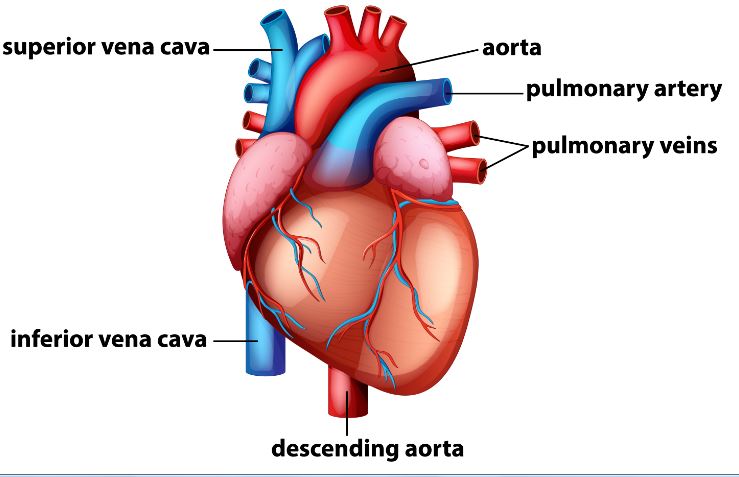
Blood Components: Structure and Functions
1. Red Blood Cells (RBCs) – Erythrocytes
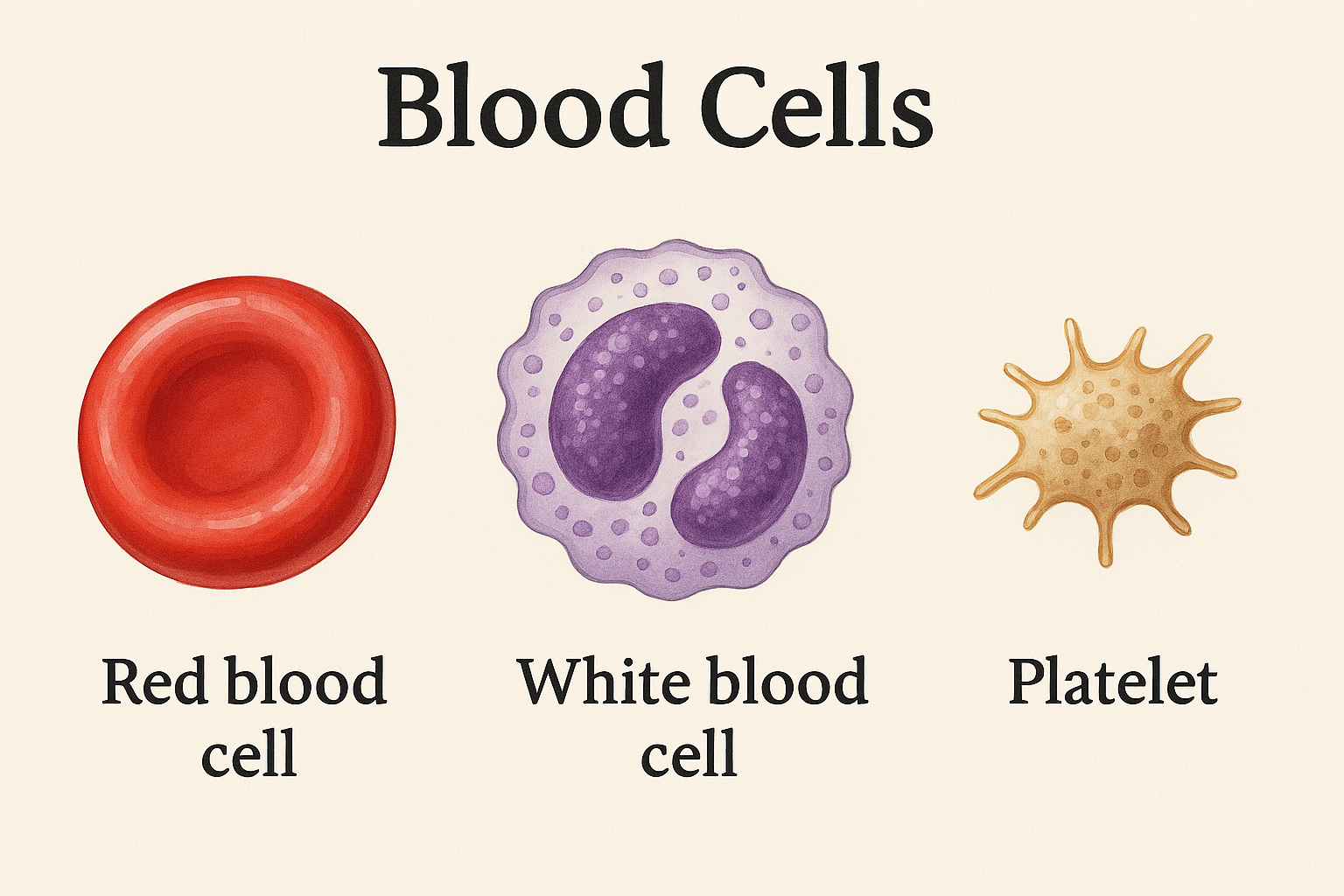
Produced in the bone marrow, RBCs are small, biconcave disc-shaped cells without a nucleus. They contain hemoglobin – a red pigment that carries oxygen.They are biconcave shape and they can increase surface area for gas exchange. A haelthy RBCs has an average lifespan of 120 days.
2. White Blood Cells (WBCs) – Leucocytes
WBCs are Larger than RBCs and contain a nucleus.There are many types, some og these are Neutrophils, Lymphocytes, Monocytes, Eosinophils, and Basophils. The lifespan of WBCs varies from a few hours to several days.3. Platelets – Thrombocytes
Platelets are small, disc-shaped cell fragments without a nucleus and are formed from megakaryocytes in the bone marrow with a lifespan of 7 to 10 days.
2. Circulation Types:
3. Double Circulation:
Humans have a double circulation system, meaning blood passes through the heart twice during one complete cycle. This ensures efficient oxygen supply and removal of carbon dioxide.
4. Functions of the Circulatory System:
5. Lymphatic System (Supplementary Transport System):
Human Nutrition
Human nutrition is the process by which our body takes in food and utilizes it to maintain life functions, support growth, and sustain health. It involves various stages including ingestion, digestion, absorption, assimilation, and egestion. The human digestive system plays a key role in breaking down complex food substances into simpler forms that can be absorbed and used by body cells.
Importance of Good Nutrition
Steps Involved in Human Nutrition
Nutrition in humans is a complex, multi-step process that ensures the body gets the essential nutrients from the food we eat. These nutrients are used for energy, growth, and maintenance. The five main stages are:
Major Nutrients Required by the Human Body
Balanced Diet
A balanced diet includes the right proportions of carbohydrates, proteins, fats, vitamins, minerals, water, and fiber. It ensures proper body functioning, prevents nutritional deficiencies, and boosts immunity.
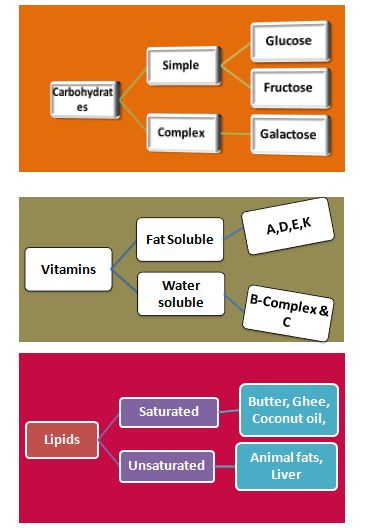
Human Digestive System: Structure and Functions
The human digestive system is a complex series of organs and glands that process food to extract nutrients and energy needed by the body. It begins at the mouth and ends at the anus. This system is responsible for ingestion, digestion, absorption, assimilation, and egestion of food.
Main Organs of the Digestive System and Their Functions

Key Digestive Enzymes and Their Roles
| Enzyme | Secreted By | Acts On | End Product |
|---|---|---|---|
| Salivary Amylase | Salivary Glands | Starch | Maltose (Sugar) |
| Pepsin | Stomach | Proteins | Peptides |
| Trypsin | Pancreas | Peptides | Amino Acids |
| Pancreatic Amylase | Pancreas | Starch | Glucose |
| Lipase | Pancreas | Fats | Fatty Acids and Glycerol |
Importance of the Digestive System
Excretion in Humans
Excretion is the biological process of removing metabolic waste products from the body. In humans, excretion is vital to maintain internal chemical balance (homeostasis), prevent toxic accumulation, and ensure the proper functioning of body organs.
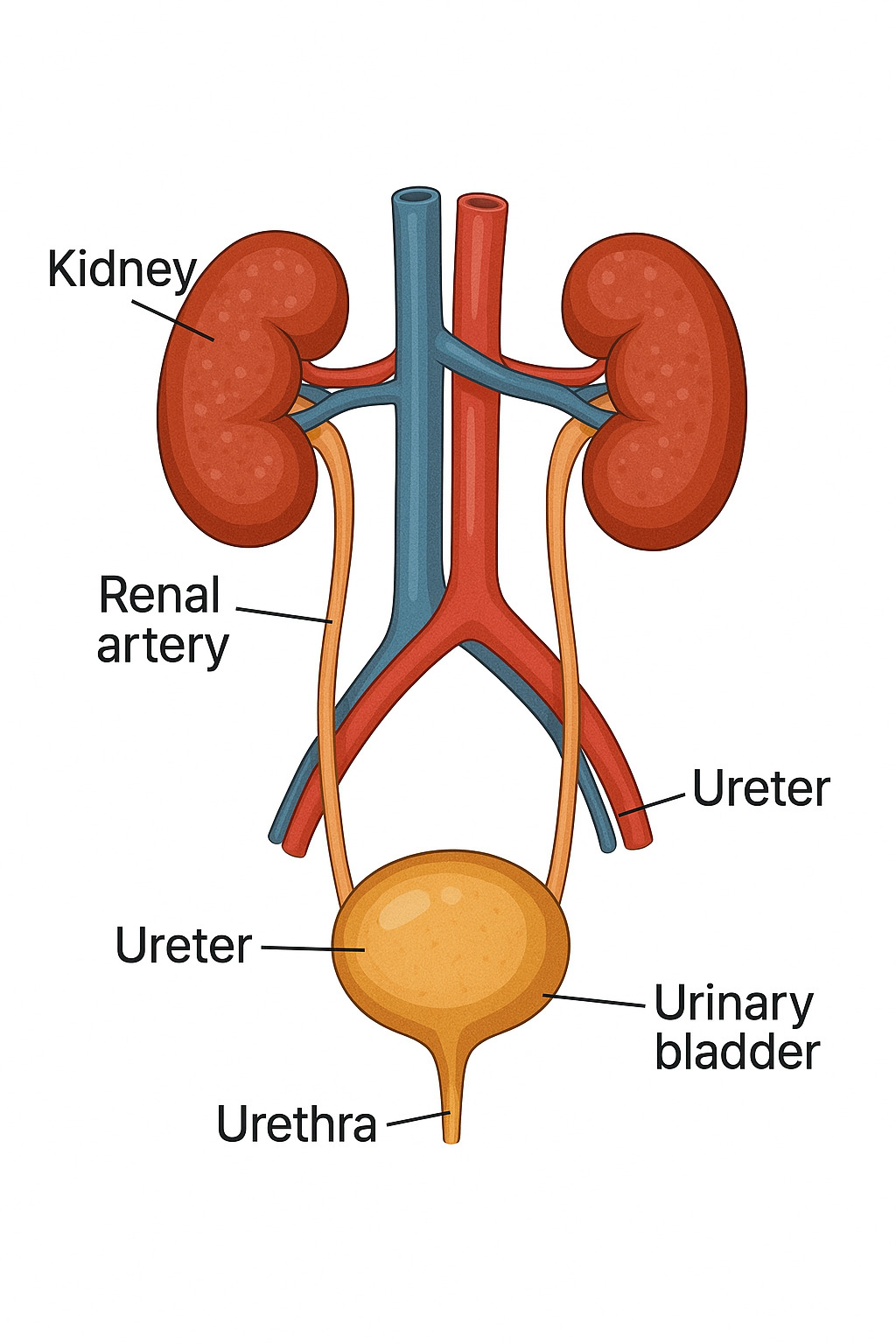
1. Kidneys
The kidneys are a pair of bean-shaped organs located on either side of the spine, just below the rib cage. Each kidney is about 10 to 12 cm long and reddish to brown in color.
Structure:

Physiology:
2. Ureters
Ureters are muscular tubes (25 to 30 cm long) that transport urine from the kidneys to the urinary bladder using peristaltic movements.
Structure and Function:
3. Urinary Bladder
A hollow, muscular organ that temporarily stores urine until it is excreted. The bladder can hold 400 to 600 ml of urine.
Structure:
Function:
4. Urethra
A thin-walled tube that conveys urine from the bladder to the external body. It is about 3.5 cm long in females and 18 to 20 cm in males.
Structure and Function:
5. Accessory Excretory Organs
Skin:
Lungs:
Liver:
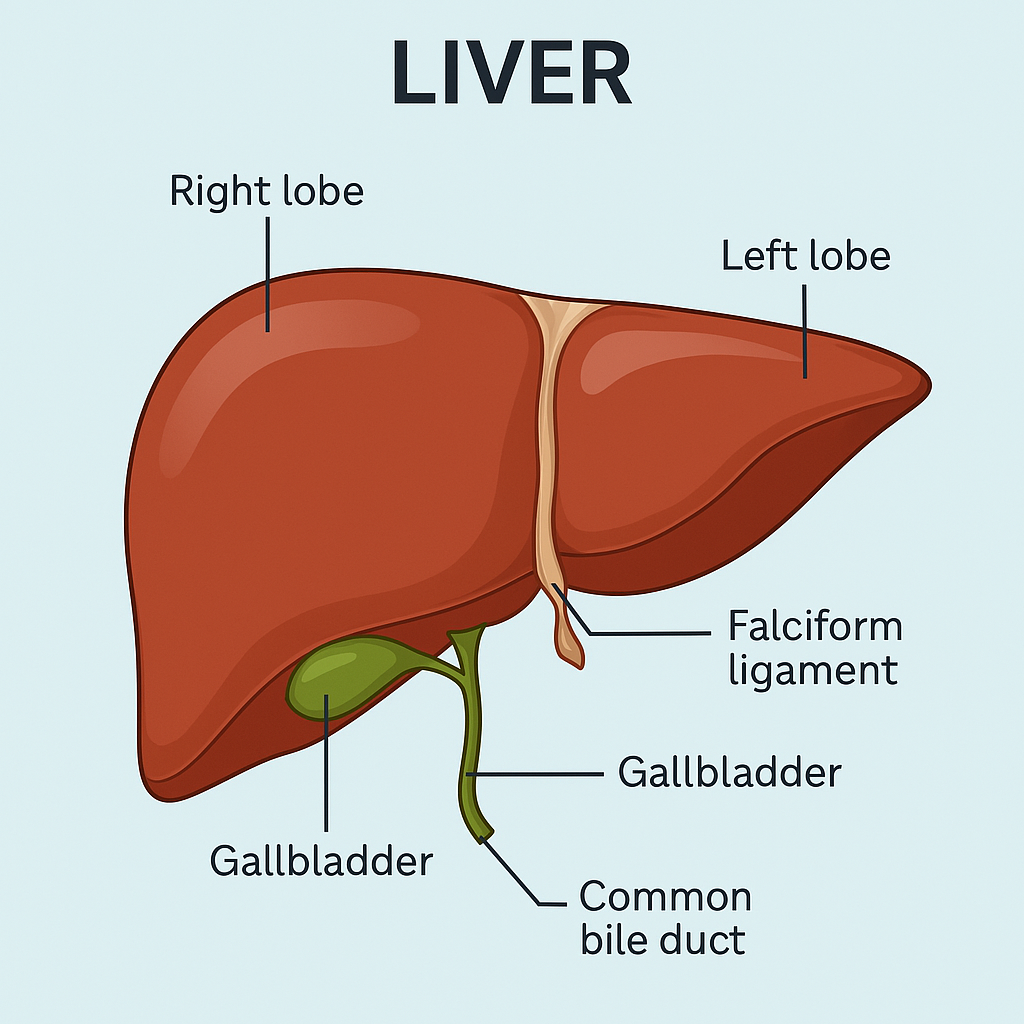
Urine Formation Process in Kidneys:
Composition of Urine:
Other Forms of Excretion:
Significance of Excretion:
Life Processes Textbook Solutions
Part -I
Part-2
|
Autotrophic Nutrition |
Heterotrophic Nutrition |
|
Organisms produce their own food. |
Organisms depend on others for food. |
|
Uses inorganic substances (CO₂, H₂O). |
Requires organic substances. |
|
Common in plants and some bacteria. |
Common in animals, fungi, and most bacteria. |
|
Involves photosynthesis or chemosynthesis. |
Includes modes like holozoic, saprophytic, and parasitic. |
|
Stores excess food. |
Cannot store food in large amounts like autotrophs do. |
Part-3
Oxygen transport: Oxygen enters the lungs and diffuses into the blood, where it binds to hemoglobin in red blood cells to form oxyhemoglobin. This allows large amounts of oxygen to be carried efficiently through the bloodstream to body tissues, where it is released for cellular respiration.
Carbon dioxide transport: Carbon dioxide produced by cells diffuses into the blood. It is transported in three forms. Mostly as bicarbonate ions (HCO₃⁻) dissolved in the plasma. A smaller amount binds to hemoglobin to form carbaminohemoglobin. A small amount is dissolved directly in the plasma. The blood then carries carbon dioxide back to the lungs, where it is exhaled.
Part-4
Part-5
Answer: Each kidney has large numbers of filtration units called nephrons packed close together. The nephron is the structural and functional unit of the kidney, responsible for filtering blood and forming urine. Each kidney contains about a million nephrons.
Structure of a Nephron:
Functioning of a Nephron:
Exercises
1.The kidneys in human beings are a part of the system for
(a) nutrition
(b) respiration
(c) excretion
(d)transportation
Answer: (c) excretion.
2.The xylem in plants are responsible for
(a) transport of water.
(b) transport of food.
(c) transport of amino acids.
(d)transport of oxygen.
Answer: (a) transport of water.
3.The autotrophic mode of nutrition requires
(a) carbon dioxide and water.
(b) chlorophyll.
(c) sunlight.
(d) all of the above.
Answer: - all of the above.
4.The breakdown of pyruvate to give carbon dioxide, water and energy takes place in
(a) cytoplasm.
(b) mitochondria.
(c) chloroplast.
- nucleus.
Answer:(b) mitochondria
5. How are fats digested in our bodies? Where does this process take place?
Answer: Fats are digested in the small intestine. The small intestine gets bile juice and pancreatic juice respectively from the liver and the pancreas. The bile salts (from the liver) break down the large fat globules into smaller globules, so that the pancreatic enzymes can easily act on them. This is referred to as emulsification of fats. It takes place in the small intestine.
6.What is the role of saliva in the digestion of food?
Answer: The saliva contains an enzyme called salivary amylase that breakdown starch which is complex molecule to give simple sugar.
7. What are the necessary conditions for autotrophic nutrition and what are its by products?
Answer: Autotrophs absorbs solar energy and take CO2and water, prepare their own food.
Glucose, CO2and water are the byproducts of photosynthesis.
8. What are the differences between aerobic and anaerobic respiration? Name some organisms that use theanaerobic mode of respiration.
Answer: The differences between Aerobic and Anaerobic respiration are:
9.How are the alveoli designed to maximize the exchange of gases?
Answer: The alveoli in human lungs are specially adapted to maximize gas exchange in several ways:
11.Describe double circulation of blood in human beings. Why is it necessary?
Answer: Double circulation in human beings means that blood passes through the heart twice during one complete circuit of the body: once to the lungs and once to the rest of the body.
Pathway of Double Circulation:
Why Double Circulation is Necessary:
12.What are the differences between the transport of materials in xylem and phloem?
Answer:
|
Xylem |
phloem |
|
i) This tissue transports water and mineral salts. |
This tissue transports only food. |
|
ii) Roots absorb water and this is carried to all parts of the plant (upward) |
Food prepared in to upwards and downwards in both direction. |
13.Compare the functioning of alveoli in the lungs and nephrons in the kidneys with respect to theirstructure and functioning.
Answer:
|
Feature |
Alveoli (Lungs) |
Nephrons (Kidneys) |
|
Function |
Exchange of gases: oxygen enters blood, carbon dioxide is removed |
Filtration of blood, reabsorption of useful substances, and excretion of wastes as urine |
|
Structure |
Tiny, balloon-like sacs with thin (one-cell thick) walls and moist lining; surrounded by a dense capillary network |
Tubular structure with Bowman’s capsule, glomerulus, proximal & distal tubules, loop of Henle, and collecting duct |
|
Surface area |
Large surface area due to millions of alveoli to facilitate rapid gas diffusion |
Large combined surface area due to millions of nephrons and long tubules to allow efficient filtration and reabsorption |
|
Mechanism |
Diffusion of gases across thin walls between alveoli and blood |
Filtration, reabsorption, and secretion of substances between blood and tubules |
|
Role in homeostasis |
Maintains oxygen and carbon dioxide levels in blood |
Maintains water, electrolyte balance, and removes metabolic wastes |
Previous Year Board Papers
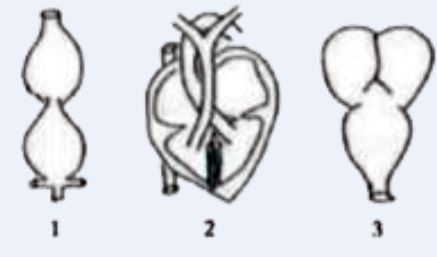
Answers for MCQs
Answers for Short Answer Questions
Lactic acid is produced in muscle cells when there is a temporary deficiency of oxygen, especially during intense exercise like fast running, cycling, or weightlifting where the demand for energy exceeds the oxygen supply. During this time, muscle cells respire anaerobically, meaning they break down glucose to produce energy without sufficient oxygen, resulting in the formation of lactic acid as a byproduct. This accumulation of lactic acid can cause muscle cramps.

The diagram of the nephron's structure would include the glomerulus. The glomerulus is a network of capillaries where blood filtration begins.
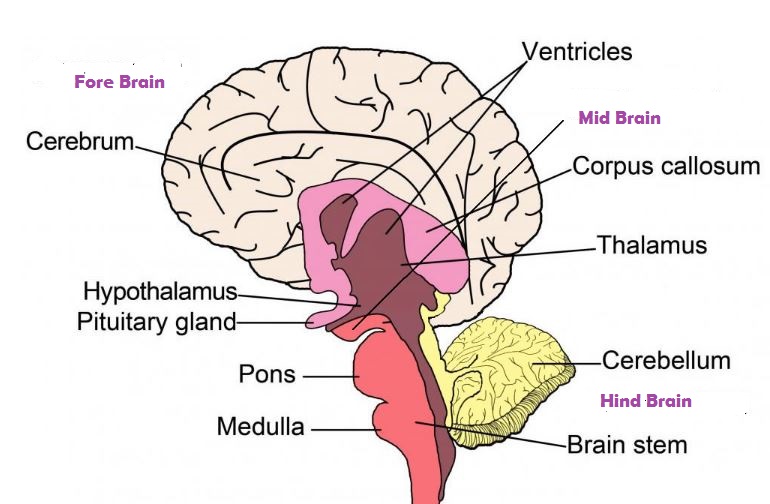
A diagram of the human brain would show the mid-brain as the smallest and central part of the brain. The pons is located in the hindbrain, which is the lower part of the brain.
Chemical communication, primarily through the use of HORMONES, is essential for animals for various reasons:
The human heart's structure is a four-chambered organ, consisting of two atria and two ventricles, separated by a septum. This design supports efficient transport of oxygenated and deoxygenated blood through two distinct circulatory pathways:
This structure ensures that oxygenated and deoxygenated blood remain separated, allowing for efficient delivery of oxygen to the body's tissues.
The ventricles, especially the left ventricle, have thick muscular walls because they need to pump blood out of the heart against high resistance. The left ventricle, in particular, pumps oxygenated blood to the entire body, which requires high pressure to circulate.Blood leakage from blood vessels is primarily prevented by platelets. When a blood vessel is injured, platelets gather at the site and form a clot, sealing the leak and preventing blood loss.
The structure of a nephron includes Bowman's capsule. Bowman's capsule (also known as the glomerular capsule) is a double-walled epithelial cup that surrounds the glomerulus. It collects the filtrate from the glomerulus and channels it into the renal tubule.
| Biodegradable Waste | Non-Biodegradable Waste |
|---|---|
| Can be broken down by natural processes (e.g., microorganisms). | Do not break down naturally and can persist for long periods. |
| Examples: Food scraps, paper, wood, plant matter. | Examples: Plastic, metal, glass, certain chemicals. |
The stomach is a muscular, J-shaped organ that plays a crucial role in digestion. Its primary functions include:
The ventricles have thick walls because they are responsible for pumping blood out of the heart, which requires considerable pressure, especially for the left ventricle pumping to the entire body.
It is necessary to separate oxygenated and deoxygenated blood because this allows for a more efficient circulatory system, ensuring that cells receive a rich supply of oxygen to meet their energy needs. This is particularly important for warm-blooded animals like mammals and birds, which need to maintain a constant body temperature and require a high metabolic rate.
During the first step of cellular respiration in the cytoplasm, glucose is broken down into two molecules of pyruvate through a process called glycolysis.
The main types of respiration are aerobic respiration and anaerobic respiration.
The products of anaerobic respiration depend on the specific type of anaerobic respiration occurring. For example, in lactic acid fermentation, the product is lactic acid. In alcoholic fermentation, the products are ethanol and carbon dioxide.
Fishes are aquatic in nature as they live in water. They use gills to extract oxygen from water, and they have paired and unpaired fins for swimming and maintaining balance. Their body is covered with scales for protection.
Lymph plays an important role in protecting the immune system of the body. Justify this statement.
Lymph plays an important role in protecting the immune system because it is a network of vessels and tissues that filters waste products and abnormal cells from the body's tissues. Lymphatic organs, like lymph nodes, produce and store lymphocytes (white blood cells) and other immune cells that fight invaders such as bacteria, viruses, parasites, and fungi.
Translocation of food materials in plants is the movement of food (sugars produced during photosynthesis) from the leaves to other parts of the plant where it is needed for growth, storage, or reproduction. This process occurs through the phloem tissue. Sugars are loaded into the phloem at the source (usually the leaves), transported to the sink (where food is needed), and unloaded at the sink.
Digestion in the small intestine begins with the mixing of food with digestive juices from the pancreas, liver, and the walls of the small intestine. The pancreas produces enzymes that break down carbohydrates, proteins, and fats. The liver produces bile, which emulsifies fats. The intestinal juice further breaks down food, and the villi increase the surface area for efficient absorption of digested nutrients into the bloodstream.
Man has one X chromosome and one Y chromosome (XY), whereas a woman has two X chromosomes (XX).
Vegetative propagation in plants is useful because it:
Menstruation occurs as part of the menstrual cycle when the thickened lining of the uterus is shed if pregnancy does not occur. This happens due to hormonal changes, resulting in menstrual blood flowing out through the vagina.
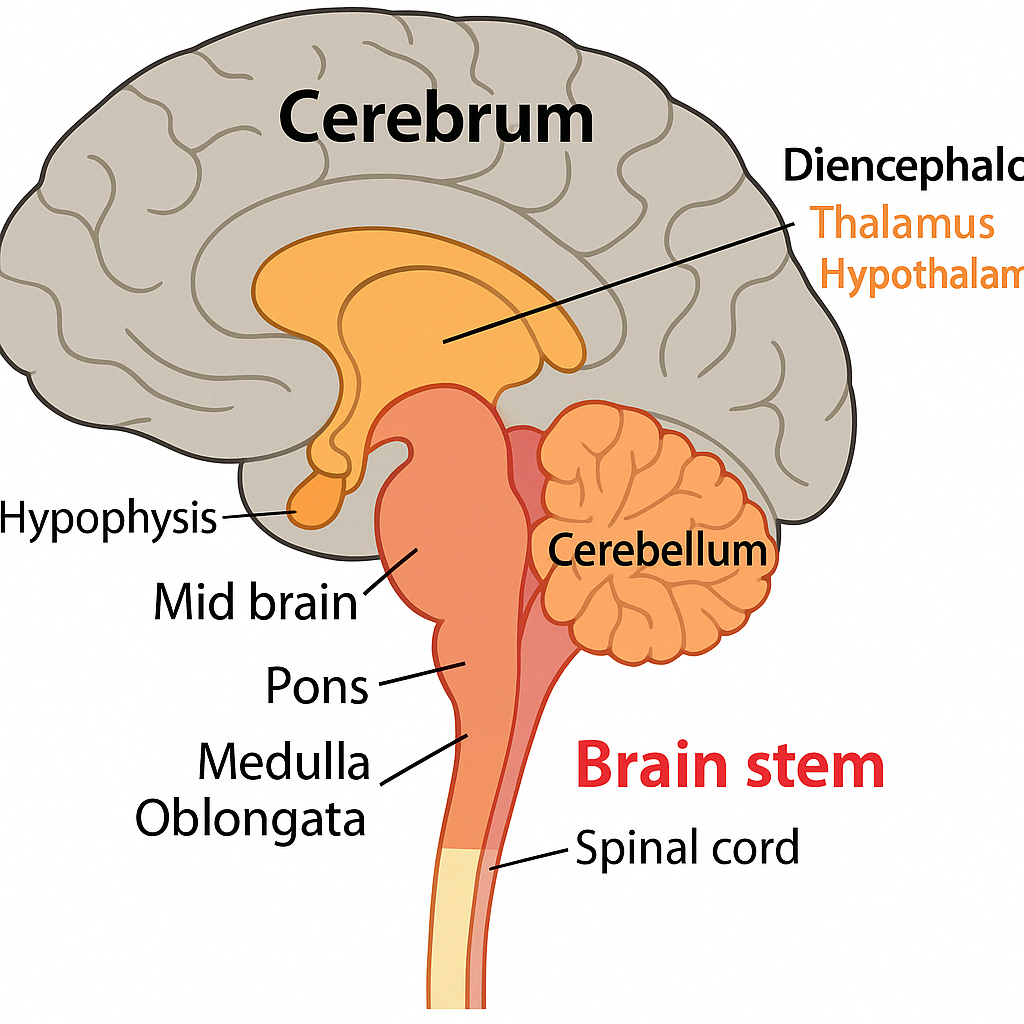
Villi and alveoli provide a large surface area. Villi help in absorption of nutrients in the small intestine, while alveoli help in the exchange of gases in the lungs.
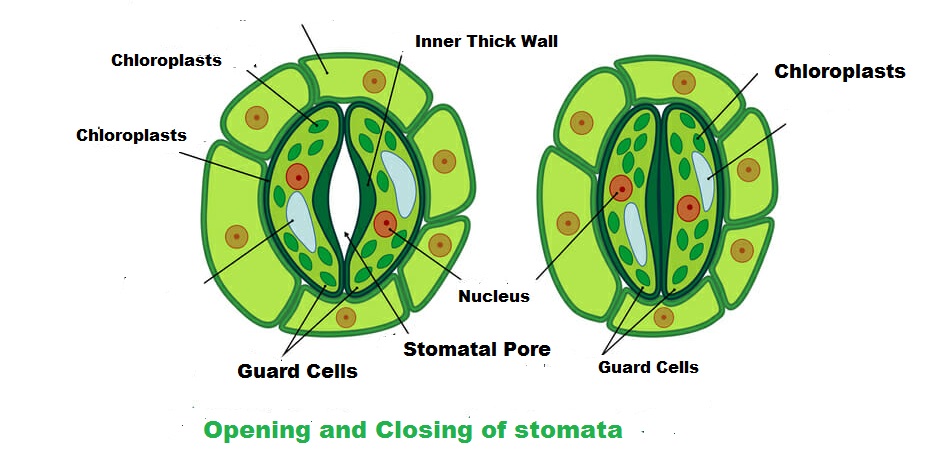
Exchange of gases occurs through tiny pores called stomata. Guard cells control their opening and closing. When stomata are open, carbon dioxide enters and oxygen exits. When guard cells lose water, stomata close to prevent water loss.
The heart has four chambers:
Frogs and lizards are cold-blooded animals. They cannot regulate their body temperature internally, so it depends on environmental temperature.
Salivary amylase breaks starch into sugars during slow chewing, making the chapathi taste sweeter.
Arteries carry blood from the heart, veins return blood to the heart, and capillaries connect them and allow exchange of gases, nutrients, and wastes.
The nephron is the basic unit of the kidney. It consists of a renal corpuscle and renal tubule. It filters blood, reabsorbs useful substances, and removes waste to form urine.
Transpiration helps in transport of water and minerals, cooling the plant, maintaining rigidity, and enabling photosynthesis.
Sugars move from source to sink due to pressure differences created by osmotic movement of water.
Blood transports oxygen and nutrients, while lymph helps in immunity and fluid balance.
The sperm determines the sex of the child. X chromosome results in a female, and Y chromosome results in a male.
Thyroxine is produced with the help of iodine and is secreted by the thyroid gland.
Plants excrete wastes through stomata, lenticels, transpiration, storage in vacuoles, and shedding of leaves and bark.
It includes testes, epididymis, vas deferens, urethra, accessory glands, scrotum, and penis, which together produce and transport sperm and hormones.
The buccal cavity starts digestion by chewing and saliva, while the stomach uses acids and enzymes to continue digestion.
LBA Solutions(Lesson Based Assessment)
|
Sl. No. |
DIFFICULTY LEVEL |
NO OF QUESTIONS |
MARKS |
PERCENTAGE |
|
1 |
EASY |
31 |
58 |
30% |
|
2 |
AVERAGE |
48 |
96 |
50% |
|
3 |
DIFFICULTY |
23 |
38 |
20% |
I. Multiple Choice Questions (MCQs)
Short Answer Questions (1/2/3 mark)
Answer : Aquatic animals generally have faster respiration rates than terrestrial animals because water contains less dissolved oxygen than air. To meet their metabolic needs, aquatic animals must breathe more frequently to absorb sufficient oxygen. Also, aquatic animals often maintain high metabolic activity, especially in cold-blooded fish that swim constantly, which increases oxygen demand.
Answer: At the beginning of respiration, oxygen is absorbed because it is needed to oxidize glucose molecules and release energy in the form of ATP. During this process, carbon dioxide is produced as a byproduct of the breakdown of glucose. This ensures that cells get the required energy for carrying out vital life processes.
Answer: The finger-like projections in the inner lining of the small intestine are called villi.
Answer: Villi increase the surface area of the small intestine to facilitate efficient absorption of nutrients (like amino acids, glucose, and fatty acids) from digested food into the bloodstream.
Answer:Humans cannot digest cellulose, the main component of grass, because they lack the enzyme cellulase. This enzyme is required to break the β-1,4-glycosidic bonds in cellulose, so grass passes undigested through the human digestive system.
Answer:In multicellular organisms, cells are deep inside the body, so oxygen cannot reach them by diffusion alone. They require specialized transport systems like blood vessels, lungs, or gills to deliver oxygen efficiently to all cells and remove carbon dioxide.
Answer:Enzymes speed up biochemical reactions without being used up or altered in the process. They lower the activation energy required for reactions, enabling life processes like digestion, respiration, and metabolism to occur efficiently at body temperature.
Answer: Life processes are essential activities carried out by living organisms to sustain life. These include:
Answer:The two types of respiration are:
Answer:The 6-carbon glucose molecule is broken down into pyruvate during glycolysis, which occurs in the cytoplasm. Pyruvate then enters mitochondria for further energy production in aerobic respiration.
Answer:Nutrition is the process by which organisms obtain food, digest it, absorb nutrients, and use it to obtain energy for growth, repair, and maintenance of body functions.
Answer:The two vascular tissues are:
Answer:Life processes are essential activities carried out by all living organisms to sustain life. These processes help organisms to obtain energy, grow, reproduce, and maintain homeostasis. Key life processes include:
Answer: The two types of respiration are:
Answer: Nutrition is the process by which living organisms obtain food, digest it, absorb nutrients, and use them for energy, growth, and repair of tissues. It ensures that the body gets the essential materials for maintaining life processes.
Answer: The two vascular tissues are:
Answer:Photosynthesis is the process by which green plants, algae, and some bacteria use sunlight, carbon dioxide, and water to make food (glucose) and release oxygen.
General equation: 6co2+6h20→c6h1206+602.
Function: Produces glucose for energy and growth, and oxygen for respiration.
Answer: Cellular respiration is the process by which cells break down glucose molecules to release energy (ATP) for carrying out life processes. It occurs in all living organisms.
Answer: Parasites are organisms that live on or inside another organism (the host) and depend on it for food and shelter, often harming the host. Examples: Plasmodium (causes malaria), tapeworm, lice. They may absorb nutrients directly from the host, causing weakness or disease.
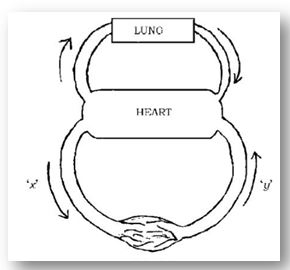
Answer:X – Pulmonary vein: Carries oxygenated blood from lungs to heart. Y – Aorta: Carries oxygenated blood from heart to the rest of the body. Veins have valves to prevent backflow of blood and ensure unidirectional flow toward the heart.
Stomata has guard cells: Control opening and closing of the stomatal pore and stomatal pores that allows gas exchange (CO₂ in, O₂ and water vapor out) and transpiration in plants.
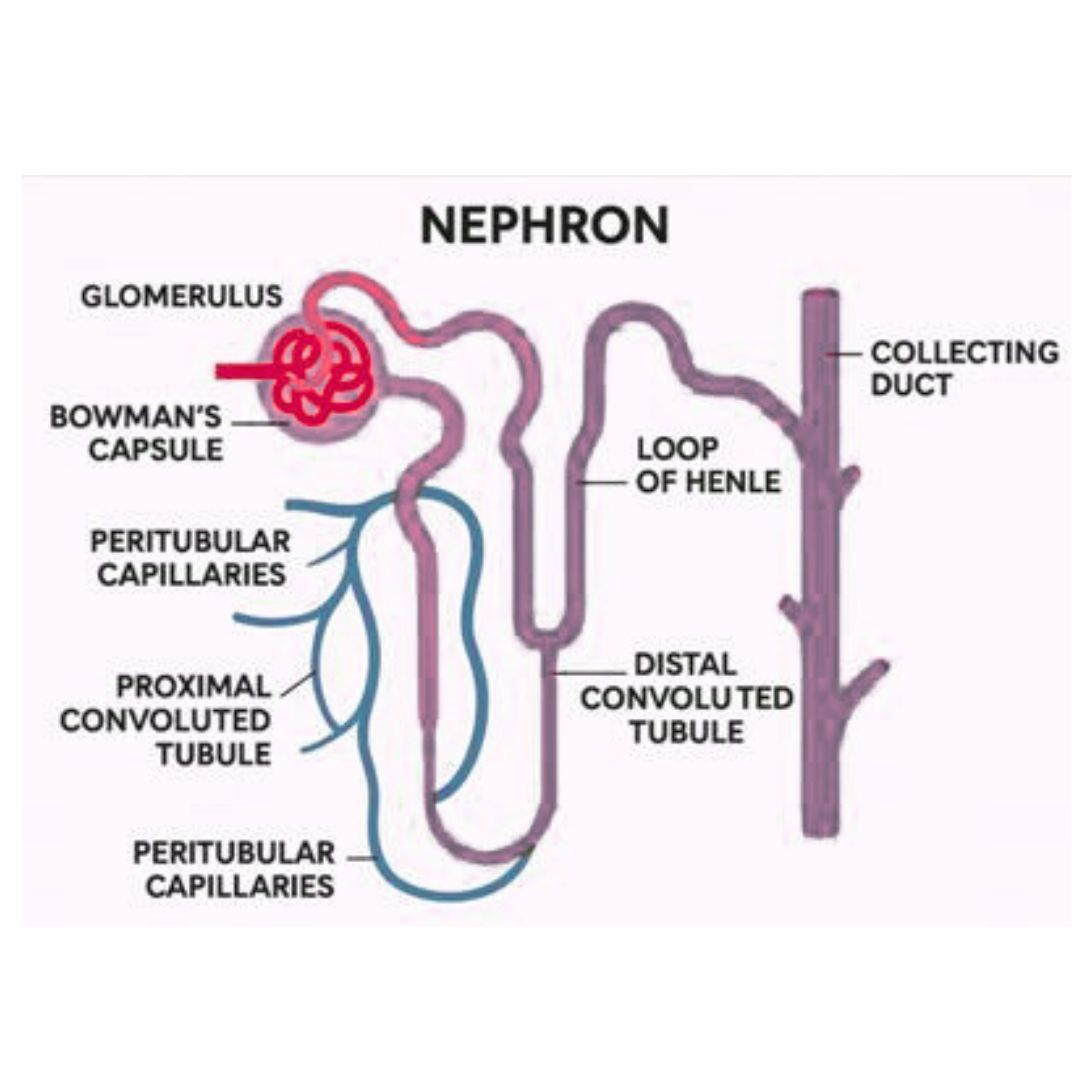
|
Feature |
Arteries |
Veins |
|
Carry |
Blood away from heart |
Blood towards heart |
|
Wall thickness |
Thick and muscular |
Thin and less muscular |
|
Pressure |
High |
Low |
|
Valves |
Absent |
Present |
Answer: Water is transported from roots to the higher parts of a plant through xylem tissues by the combined action of root pressure where minerals actively absorbed by roots create osmotic pressure, pushing water upward. Capillary action of narrow xylem vessels allow water to rise due to adhesion and cohesion. Additionally transpiration pull (most important aspect ) causes loss of water through stomata creates a negative pressure that pulls a continuous column of water upward thus, water reaches the highest parts of the plant mainly due to transpiration pull.
|
Feature |
Fish |
Humans |
|
Type of circulation |
Single circulation |
Double circulation |
|
Heart chambers |
Two (1 atrium, 1 ventricle) |
Four (2 atria, 2 ventricles) |
|
Oxygenated blood |
Passes through heart once |
Passes through heart twice |
|
Efficiency |
Less efficient |
Highly efficient |
|
Metabolism |
Low |
High |
Answer: Double circulation means blood passes twice through the heart during one complete cycle. It has two stages:
Pulmonary circulation
Systemic circulation
events in photosynthesis
Answer: Waste products accumulate as resins, gums, tannins and crystals in old xylem. Food is transported through phloem by a process called translocation, from leaves to all parts of the plant.
.60. -Explain the structure and function of nephron..(MPQ-2023)-
Answer: A nephron is the structural and functional unit of kidney. It has Bowman’s capsule, Glomerulus, Proximal convoluted tubule, Loop of Henle, Distal convoluted tubule AND Collecting duct
Functions:Answer: Amoeba shows holozoic nutrition:
Answer: Urine production is regulated by:
Answer: In animal P (85 ft): Digestion is slow – herbivore, cellulose digestion takes more time. Animal Q (15 ft) digestion is fast – carnivore, protein digestion is easier
83. Role of digestive enzymes:.(APR-2025)-|
Enzyme |
Function |
|
Trypsin |
Digests proteins into amino acids |
|
Amylase |
Breaks starch into maltose |
|
Lipase |
Digests fats into fatty acids and glycerol |
|
Autotrophs |
Heterotrophs |
|
Make own food |
Depend on others |
|
Use sunlight |
Cannot photosynthesize |
|
Example: Plants |
Example: Animals |
Glucose(6C) ↓Pyruvate(3C) ↓Aerobic ↓CO₂+H₂O+Energy ( In the case of anaerobic → Lacticacid/Ethanol+Energy)
66.Two methods of excretion in plantsAnswer: Transpiration pull
a) Steps of urine formation in humans.(A)-|
Juice |
Function |
|
Gastric juice |
Protein digestion |
|
Intestinal juice |
Completes digestion |
Answer: (a) First stage of cellular respiration: In the cytoplasm, one molecule of glucose (6-carbon) is broken down into two molecules of pyruvate (3-carbon).
This process is called glycolysis and does not require oxygen.
(b) Types of respiration
|
Aerobic respiration |
Anaerobic respiration |
|
Occurs in presence of oxygen |
Occurs in absence of oxygen |
|
Releases more energy |
Releases less energy |
Elements required
Events in photosynthesis
Balanced chemical equation: 6CO2+6H2O→sunlight, chlorophyllC6H12O6+6O2
a) Comparison of xylem and phloem.(JUNE-2023)-
|
Xylem |
Phloem |
|
Transports water and minerals |
Transports food |
|
Movement is upward |
Movement is both ways |
|
Made of dead tissues |
Made of living tissues |
The human heart has four chambers, right side carries deoxygenated blood and left side carries oxygenated blood. A septum separates the chambers and prevents mixing.
Valves ensure one-way flow, enabling efficient transport.
71.Components of blood and their functions.--
| Component | Function |
|---|---|
| Plasma | Transports nutrients, hormones, and waste materials |
| Red Blood Cells (RBC) | Carry oxygen with the help of haemoglobin |
| White Blood Cells (WBC) | Provide immunity and protect the body from infections |
| Platelets | Help in blood clotting to prevent blood loss |
72.
a)Comparison: Alveoli and Nephron.--
| Alveoli | Nephron |
|---|---|
| Found in lungs | Found in kidneys |
| Exchange of gases | Formation of urine |
| Thin-walled sacs | Tubular structure |
Anaerobic respiration is respiration without oxygen. In humans: Lactic acid + energy. In plants/yeast: Ethanol + CO₂ + energy
b) Double circulation & usefulness.(MAY-2025)-
Double circulation means blood passes twice through the heart in one cycle. It prevents mixing of blood and ensures efficient oxygen supply. It also supports high metabolism in birds and mammals
73. Advantages of terrestrial animals over aquatic animals.(A)-Answer: Human lungs have millions of alveoli, thin walls, rich blood supply and large surface area. These features allow rapid diffusion of oxygen and carbon dioxide.