Chapter 3 -Health: The Ultimate Treasure
Key Terms
- Health: Complete physical, mental, and social well-being.
- Well-being: Being healthy, happy, and comfortable.
- Pathogen: Disease-causing organism.
- Communicable Disease: Disease that spreads from person to person.
- Non-Communicable Disease (NCD): Disease that does not spread and is often linked to lifestyle or environment.
- Immunity: Body's defense against diseases.
- Vaccine: Substance that prepares the immune system to fight pathogens.
- Acquired Immunity: Immunity developed through infection or vaccination.
- Antibiotic: Medicine used against bacterial infections.
- Antibiotic Resistance: Reduced effectiveness of antibiotics due to bacterial adaptation.
- Symptom: A feeling experienced by the patient.
- Sign: A measurable or observable indicator of disease.
- Hygiene: Practices that help prevent disease.
- Lifestyle: Daily habits affecting health.
- Environment: Surroundings that influence health.
- Vector: Organism that transmits disease-causing pathogens.
- Prakriti: Individual body constitution in Ayurveda.
- Dinacharya: Ayurvedic daily routine.
- Chronic Disease: Long-term disease lasting more than three months.
- Sanitation: Measures that maintain cleanliness and prevent disease spread.
What is Health?
According to the World Health Organization (WHO), health is a state of complete physical, mental, and social well-being, not merely the absence of disease.
A healthy person:
- Maintains physical fitness and energy.
- Has a positive mindset and emotional balance.
- Enjoys healthy social relationships.
Health and happiness are closely connected. Good health improves mood and quality of life, while happiness supports overall well-being.
Ayurveda’s View of Health
Ayurveda considers health as a balance between the body, mind, and surroundings. It promotes:
- Prakriti – an individual's unique body constitution.
- Dinacharya – a daily routine involving proper sleep, diet, exercise, and healthy habits.
- Seasonal routines, yoga, and balanced nutrition.
Healthy and Unhealthy Habits
Healthy Habits
- Maintain personal hygiene.
- Eat a balanced diet.
- Exercise regularly.
- Get adequate sleep.
- Limit screen time.
- Drink clean water.
Unhealthy Habits
- Excessive screen time.
- Eating junk or processed foods.
- Sleeping late.
- Skipping meals.
- Lack of physical activity.
Environmental Health
The environment significantly affects health. Some of the important environmental factors that determines health are Clean air and water,proper sanitation and waste disposal and pollution control.
Air Quality Index (AQI)
The Air Quality Index (AQI) is a standardized, color-coded scale used by governments and environmental agencies to communicate daily air pollution levels. It transforms complex data of major air pollutants into a single, easy-to-understand number to quickly indicate associated health risks..Diseases and its classification
A disease is any harmful deviation from the normal functioning of the body or mind. Diseases are generally categorized into distinct types based on their causes, transmission, and duration.
Infectious Diseases
Caused by microscopic organisms (pathogens) like bacteria, viruses, fungi, or parasites. They can often be spread from person to person.
- Viral: Common cold, COVID-19, influenza, and HIV.
- Bacterial: Tuberculosis, strep throat, and urinary tract infections.
- Fungal: Athlete’s foot, toenail fungus, and ringworm.
- Parasitic: Malaria (spread by mosquitoes) and amoebiasis.
Non-Infectious (Non-Communicable) Diseases
These are not caused by pathogens and cannot be spread from person to person. They are generally linked to genetics, lifestyle, or environment.
- Cardiovascular Disease: Heart attacks, stroke, and high blood pressure.
- Chronic Respiratory Diseases: Asthma and COPD.
- Cancer: Abnormal, uncontrolled cell growth.
- Diabetes: Conditions where the body cannot properly process glucose.
Classification of Diseases
| Type | Disease | Classification | Causative Organism / Cause | Symptoms | Treatment |
|---|---|---|---|---|---|
| Communicable Diseases | Common Cold | Viral infection | Rhinovirus | Runny nose, sore throat, sneezing, cough | Rest, fluids, symptomatic treatment |
| Influenza (Flu) | Viral infection | Influenza virus | Fever, body ache, fatigue, cough | Antiviral drugs, rest, hydration | |
| Typhoid | Bacterial infection | Salmonella typhi | High fever, weakness, stomach pain | Antibiotics, hydration, rest | |
| Malaria | Protozoan infection | Plasmodium (via Anopheles mosquito) | High fever with chills, sweating, headache | Antimalarial drugs | |
| Chickenpox | Viral infection | Varicella-zoster virus | Itchy skin rash, fever, fatigue | Antiviral drugs, calamine lotion, rest | |
| Non-Communicable Diseases | Diabetes | Metabolic disorder | Not caused by pathogens (insulin deficiency/resistance) | Frequent urination, thirst, fatigue | Insulin therapy, diet control, exercise |
| Hypertension | Cardiovascular disorder | Lifestyle-related (stress, diet, genetics) | Headache, dizziness, chest pain | Medication, low-salt diet, exercise | |
| Asthma | Respiratory disorder | Allergic triggers, environmental factors | Breathing difficulty, wheezing, coughing | Inhalers, avoiding triggers | |
| Heart Disease | Cardiovascular disorder | Blocked arteries, lifestyle factors | Chest pain, fatigue, shortness of breath | Medication, surgery, lifestyle changes | |
| Obesity | Metabolic condition | Overeating, lack of exercise | Excess body weight, fatigue | Diet control, exercise, behavior therapy |
Hereditary & Genetic Diseases
These are passed down from parents to children through altered or mutated genes.Examples: Sickle cell anemia, cystic fibrosis, and Down syndrome.
Deficiency Diseases
Caused by a lack of essential vitamins or minerals in the daily dietExamples: Scurvy (Vitamin C), anemia (Iron), and rickets (Vitamin D).
Autoimmune Diseases
Conditions where the body’s immune system mistakenly attacks healthy cells and tissues. Examples: Type 1 diabetes, rheumatoid arthritis, and lupus.
Classification of Diseases by Duration
Diseases can also be classified by how long they last:
- Acute Diseases: Severe and sudden in onset, but usually short-lived (e.g., flu, food poisoning).
- Chronic Diseases: Long-lasting conditions that progress slowly and may require lifelong management (e.g., arthritis, diabetes).
Communicable Diseases
Communicable diseases are caused by pathogens and can spread from one person to another.
Pathogens of Communicable Diseases
Disease-causing organisms include:
- Bacteria
- Viruses
- Fungi
- Protozoa
- Worms
Modes of Transmission
- Air
- Direct contact
- Contaminated food or water
- Vectors such as mosquitoes
Examples
- Typhoid
- Dengue
- Influenza (Flu)
- Chickenpox
- COVID-19
Vectors
A vector is an organism that carries and transmits pathogens, such as mosquitoes spreading malaria and dengue.
Non-Communicable Diseases
Non-communicable diseases (NCDs) are not caused by pathogens and do not spread between people.
Causes
- Unhealthy lifestyle
- Poor diet
- Lack of exercise
- Environmental factors
- Genetic factors
Examples
- Diabetes
- Heart disease
- Cancer
- Asthma
The number of people with diabetes and heart disease is increasing in India due to sedentary lifestyles and increased consumption of processed foods.
Deficiency Diseases
These are diseases caused by a lack of essential nutrients.
Examples
- Anaemia – Iron deficiency
- Scurvy – Vitamin C deficiency
- Goitre – Iodine deficiency
Preventing Communicable Diseases
- Maintain hygiene.
- Drink clean water.
- Follow proper sanitation practices.
- Control disease-carrying vectors.
- Get vaccinated.
Community sanitation campaigns, such as those implemented in Odisha, have helped reduce the spread of infectious diseases.
Immunity and Vaccination
Immunity
Immunity is the body's natural ability to resist and fight diseases.
Acquired Immunity
Protection developed after:
- Recovering from an infection.
- Receiving a vaccine.
Vaccines
Vaccines train the immune system to recognize and fight specific pathogens before they cause disease.
Vaccines help prevent diseases such as:
- Polio
- Measles
- Hepatitis
- Tetanus
- Smallpox
Vaccines prevent diseases; they do not cure existing infections.
Antibiotics
Antibiotics are medicines used to treat bacterial infections.They Kill bacteria or stop their growth but they do not work against viral infections.
Antibiotic Resistance
Antibiotic resistance occurs when bacteria survive and continue multiplying despite antibiotic treatment. It is caused due to the overuse of antibiotics, incorrect use of antibiotics or not completing prescribed courses. It can be prevented or reduced by the use of antibiotics only when prescribed and follow the doctor's instructions carefully.
Traditional Systems of Medicine
India has several traditional healthcare systems, incsuch as Ayurveda, Siddha, Homeopathy, and Unani. These systems promote overall well-being and healthy lifestyles but may not be suitable for treating all diseases.
Management of Diseases
Managing Non-Communicable Diseases
NCDs are managed through Medicines,healthy diet,regular exercise,lifestyle changes, early diagnosis and treatment
Important Scientists
- Kamal Ranadive Pioneer in cancer research in India.
- Maharaj Kishan Bhan Played a key role in developing the Rotavirus vaccine.
- Edward Jenner developed the first successful smallpox vaccine.
- Alexander Fleming Discovered penicillin, the first antibiotic.
Health and Well-being
Activity 1: Let Us Read
A Grade 8 student moved to a new school in another city. With no friends and busy parents, he felt lonely. To cope, he spent more time on his phone and social media, but this made him feel worse. He stopped trying to make friends, had headaches, lost weight, and could not sleep well. A doctor advised him to reduce screen time and meet a counsellor. The school counselor helped him make friends and improve his health.
Think and Reflect:
- What caused the boy’s health problems?
- How did his habits and surroundings affect his well-being?
The World Health Organization (WHO) defines health as a “state of complete physical, mental, and social well-being, not merely the absence of disease.”
A healthy person:
- Can perform tasks efficiently.
- Copes well in difficult situations.
- Adjusts easily with peers and society.
Ayurveda and Health
Ayurveda teaches that true health is a balance of body, mind, and surroundings. This can be achieved by:
- Following dinacharya (daily routines) and ritucharya (seasonal routines).
- Eating fresh, wholesome food suited to one’s prakriti (body constitution).
- Maintaining regular exercise, cleanliness, restful sleep, and a calm mind.
- Practicing yoga, meditation, and mindfulness.
How Can We Stay Healthy?
- Eating nutritious food.
- Maintaining hygiene.
- Staying in a clean environment.
- Exercising regularly.
- Getting enough sleep.
- Spending time with family and friends.
- Having a positive attitude.
Activity 2: Let Us List
Good habits to follow:
- Keep yourself clean and maintain personal hygiene.
- Eat a healthy and balanced diet.
- Exercise regularly.
- Take time to relax or meditate every day.
Think: Which of these habits are already part of your routine? Which ones would you like to start?
Habits that are not healthy:
- Spending too much time on phones or screens.
- Eating fast food or junk food frequently.
- Sleeping very late or not enough.
- Skipping meals, especially breakfast.
Healthy habits support both body and mind. Discuss your findings with your friends and teacher.
Maintain a Healthy Lifestyle
To stay healthy:
- Eat a balanced diet with plenty of fruits, vegetables, and whole grains.
- Avoid processed, fatty, or sugary foods and drinks.
- Stay physically active: play outdoors, walk, run, cycle, or exercise.
- Limit screen time and spend time in nature.
- Get enough sleep to help your body and mind recover.
- Practice yoga or simple breathing exercises (pranayama) regularly.
- Say NO to harmful substances like tobacco, alcohol, and addictive drugs.
Keep the Environment Clean
Activity 3: Let Us Compare
Look at Figures A and B. Which playground would you like to play in, and why?
Most of us would choose Figure A, because it is clean, well-maintained, and looks inviting. Figure B is polluted, dirty, unhygienic, and full of flies and mosquitoes. Living in such an environment can make people fall sick more often.
Reflection:
In addition to following good habits and a healthy lifestyle, we must also keep ourselves and our surroundings clean.
- Have you ever found it hard to breathe in a place filled with smoke or dust?
- This shows that clean air and water are essential for health.
In cities, air pollution from vehicles and factories can cause problems such as coughing or asthma. The Air Quality Index (AQI) helps us measure how clean or polluted the air is. A cleaner environment keeps us healthier and makes us feel better.
Remember:
Health is not just about the body. Feelings and relationships matter too. Even if we eat well and live in a clean place, we may not feel good if we are lonely or upset. Spending time with friends and family, talking, laughing, and having fun keeps our minds healthy.How Do We Know That We Are Unwell?
Our body usually functions in a certain way to maintain health. When something goes wrong, we may feel symptoms or show signs of illness.
Term |
Meaning |
Examples |
|
Symptom |
What we feel |
Pain, tiredness, dizziness |
|
Sign |
What can be seen or measured |
Fever, rash, high blood pressure, swelling |
These help doctors understand what might be wrong and decide on treatment.
Activity 5: Let Us Survey
Find out the three most common lifestyle-related diseases in your neighbourhood. Gather information from doctors, nurses, health workers, teachers, family members, books, or trusted health websites.
For each disease, identify:
- Causes
- Symptoms
- Prevention methods
- Lifestyle changes that help manage the disease
Record your findings in Table 2.
Activity 6: Let Us Read
Odisha's Community-Led Sanitation Campaign
In Bhadrak district of Odisha, a community sanitation campaign encouraged people to build and use toilets. This reduced open defecation and led to fewer cases of diarrhoea and infections among children.
What Can We Learn?
- Good sanitation reduces the spread of communicable diseases.
- Clean surroundings improve community health.
- Public participation plays an important role in disease prevention.
Immunity: The Body's Defence System
Some people fall sick more often than others even when they live in the same environment. This is because immunity differs from person to person.
Immunity
Immunity is the body's natural ability to fight diseases.
The immune system protects us by:
- Identifying harmful pathogens
- Destroying disease-causing organisms
- Preventing infections from spreading
Vaccines and Acquired Immunity
Vaccines help train the immune system to recognize and fight harmful pathogens before they cause disease.
Acquired Immunity
Acquired immunity develops:
- After recovering from an infection
- After receiving a vaccine
How Vaccines Work
Vaccines may contain:
- Weakened pathogens
- Dead pathogens
- Harmless parts of pathogens
- Genetic instructions that help the body produce harmless pathogen proteins
The immune system learns to recognize these components and develops protection without causing the disease.
Examples of Vaccine-Preventable Diseases
- Polio
- Measles
- Tetanus
- Hepatitis
- Smallpox
Important Fact
Vaccines are preventive, not curative. They help prevent diseases but do not cure a disease once a person becomes sick.
Edward Jenner and the First Vaccine
Smallpox was a deadly disease that caused painful blisters and killed millions of people. English doctor Edward Jenner noticed that milkmaids who had previously contracted cowpox rarely developed smallpox. He observed that milkmaids who had cowpox seemed protected from smallpox. He understood that material from cowpox blisters could provide protection against smallpox. To prove this, Jenner introduced cowpox material into a young boy and later exposed him to smallpox. The boy did not develop smallpox.
Application
This discovery led to the world's first vaccine and eventually helped eradicate smallpox globally.
Traditional Indian Method of vaccination : Variolation
Before modern vaccines, India practiced variolation.
This method involved:
- Using material from a smallpox sore
- Scratching it into the skin
- Producing a mild infection that helped develop immunity
People who performed this procedure were known as teekedaars.
India's Contribution to Vaccine Production
India's Contribution to Vaccine Production
India is one of the world's largest vaccine producers. Indian vaccine manufacturers supply vaccines to many countries and they played a major role during the COVID-19 pandemic while they continue to support global health programs Dr. Maharaj Kishan Bhan was a renowned Indian scientist and physician.
His contributions include:
- Leading biotechnology initiatives in India
- Supporting affordable healthcare research
- Helping develop the Rotavirus vaccine, which protects children from severe diarrhoea
Treatment of Infectious Diseases
If the immune system cannot successfully fight an infection, medical treatment may be required.
Antibiotics
Antibiotics are medicines used to treat bacterial infections. They work by killing bacteria or by stopping bacterial growth. Antibiotics work against bacteria, but they do not work against viruses and protozoa.
Discovery of Penicillin
In 1928, Alexander Fleming discovered penicillin, the first antibiotic. While studying bacteria, Fleming noticed that a mould growing on a petri dish prevented bacterial growth. He realized the mould produced a substance that killed bacteria, leading to the discovery of penicillin. This breakthrough revolutionized medicine and saved millions of lives.
Antibiotic Resistance
Antibiotic resistance occurs when bacteria survive and continue multiplying despite antibiotic treatment.
It is caused by:
- Overuse of antibiotics
- Taking antibiotics without medical advice
- Not completing prescribed courses
- Incorrect dosage
Effects
- Infections become harder to treat
- Longer illness duration
- Increased risk of complications
- Higher risk of death
Activity 7: Let Us Infer
Study the infographic on antibiotic resistance and discuss:
- How do bacteria become resistant to antibiotics?
- What precautions can reduce antibiotic resistance?
Preventing Antibiotic Resistance
- Use antibiotics only when prescribed by a doctor.
- Follow the correct dosage.
- Complete the full course of treatment.
- Avoid unnecessary use of antibiotics.
Responsible use helps keep antibiotics effective for future generations.
Traditional Medicine Systems
India has a rich tradition of healthcare systems, including:
- Ayurveda
- Siddha
- Unani
Features of These Systems
- Use herbs, oils, and natural substances
- Promote balanced lifestyles and healthy diets
- Support general well-being and recovery
However, they may not be effective for all diseases or at every stage of illness.
Managing Non-Communicable Diseases (NCDs)
Treatment of NCDs focuses on controlling symptoms and improving quality of life.
Common Approaches
- Medicines
- Healthy diet
- Regular exercise
- Lifestyle modifications
- Rehabilitation programs
Importance of Early Diagnosis
Early detection and continuous care can:
- Slow disease progression
- Prevent complications
- Improve long-term health outcomes
INTEXT SOLUTIONS
NCERT Probe and Ponder Questions (Page 28)
- Represent the following data in a bar graph.
Answer:
The body responds to a common cold (caused by viruses) through the immune system. Symptoms like a runny nose, sore throat, or cough occur as the body fights the infection. The immune system produces antibodies to neutralize the virus, and white blood cells attack infected cells. Rest, hydration, and sometimes medication (e.g., for fever) help recovery.
-
We rarely see cases of smallpox or polio these days, but diseases like
diabetes and heart problems are more common. Why?
Answer: Smallpox and polio have been nearly eradicated due to widespread vaccination programs. In contrast, non-communicable diseases (NCDs) like diabetes and heart problems are increasing due to modern lifestyle factors such as unhealthy diets, lack of exercise, stress, and longer life expectancies. -
Could climate change lead to new types of diseases?
Answer: Yes, climate change can lead to new or increased disease risks. Warmer temperatures and changing weather patterns can expand the range of disease-carrying vectors like mosquitoes, alter water quality, and create conditions for new pathogens to emerge or spread more easily. -
How do emotions like stress or worry affect us and make us sick?
Answer: Stress or worry can weaken the immune system by releasing hormones like cortisol, making the body more susceptible to infections. Chronic stress can also contribute to diseases like high blood pressure or diabetes. -
Why do some groups of people get affected more than others during
disease outbreaks?
Answer: Some groups are more affected due to factors like weaker immunity, poor living conditions, malnutrition, or preexisting health issues.
Answer: Communicable Diseases
- Cold and Flu
- Typhoid Chickenpox
Non- Communicable Diseases
- Diabetes
- Asthma
Diseases can be broadly grouped into communicable and non-communicable diseases. From the options given below, identify the non-communicable diseases.
(i) Typhoid
(ii) Asthma
(iii) Diabetes
(iv) Measles
(a) (i) and (ii)
(b) (ii) and (iii)
(c) (i) and (iv)
(d) (ii) and (iv)
Answer:(b) (ii) and (iii) are NCDs
Answer:(b) (ii) and (iii) are NCDs
- There is a flu outbreak in your school. Several classmates are absent, while some are still coming to school coughing and sneezing. What immediate actions should the school take to prevent further spread? If your classmate, who shares the bench with you, starts showing symptoms of the flu, how can you respond in a considerate way without being rude or hurtful? How can you protect yourself and others from getting infected in this situation?
Answer: The school should close temporarily, sanitise classrooms, and encourage sick students to stay home to prevent further spread. You can politely suggest that your classmate see a doctor and take a rest at home, and offer to share notes with them. To protect yourself and others, wash your hands frequently, avoid close contact, and wear a mask.
- Your family is planning to travel to another city where malaria is prevalent.
- What precautions should you take before, during, and after the trip?
- How can you explain the importance of mosquito nets or repellents to your sibling?
- What could happen if travellers ignore health advisories in such areas?
Answer: To protect our family from malaria during travel, focus on preventing mosquito bites and taking prescribed preventative medication.
- Before travel, consult a doctor, get necessary vaccinations, and pack mosquito repellent and protective clothing.
- During the trip, continue using repellent, wear long sleeves and pants, and sleep under mosquito nets.
- After returning, monitor for any symptoms like fever, and seek immediate medical attention if they occur.
Explain to your sibling that mosquitoes spread malaria and that nets or repellents protect by blocking bites. If travelers ignore health advisories in such areas, they risk malaria infection, severe illness, or even death.
- Your uncle has started smoking just to fit in with his friends, even though it is well known that smoking can seriously harm health and even cause death.
- What would you say to him to make him stop, without being rude?
- What would you do if your friend offered you a cigarette at a party?
- How can schools help prevent students from indulging in such harmful habits?
Answer: Dear Uncle, I care about your health and well-being, and I want to talk to you about smoking. It’s well-known that smoking can lead to serious health issues, including heart disease and lung cancer. Quitting smoking can greatly improve your health and quality of life.
- Politely decline the cigarette at the party and explain the health risks to your friend.
- Schools can help prevent students from indulging in such habits by educating them about the health risks and organizing awareness programs regularly.
- Saniya claims to her friend Vinita that “Antibiotics can cure any infection, so we don’t need to worry about diseases.” What question(s) can Vinita ask her to help Saniya understand that her statement is incorrect?
Answer: Saniya’s Statement is Wrong because:
- Antibiotics only work against bacterial infections, not viral ones like the flu or common cold.
- Overuse or misuse of antibiotics can lead to antibiotic resistance, making them less effective in the future.
- Some diseases are caused by fungi, protozoa, or viruses, which require different treatments.
Vanita can ask Saniya, Did you know that antibiotics don’t work on viruses like the flu or measles? They’re only useful for bacterial infections. Also, if we take antibiotics when we don’t need them, they might stop working when we really do. That’s why doctors are careful about prescribing them.”
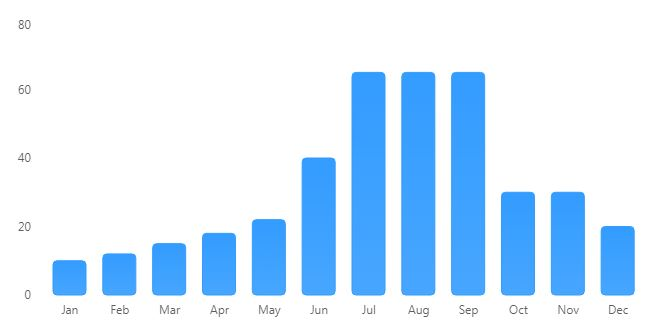
- The following table contains information about the number of dengue cases reported in a hospital over one year:
- In which three months were the dengue cases highest?
- In which month(s) were the cases lowest?
- What natural or environmental factors during the peak months might contribute to the increase in dengue cases?
- Suggest a few preventive steps that the community or government can take before the peak season to reduce the spread of dengue.
- The dengue cases were highest in July, August, and September.
- The cases were lowest in January.
- Natural or environmental factors during the peak months, such as the rainy season and standing water for mosquito breeding, might contribute to the increase in dengue cases.
- The community or government can take preventive steps like removing stagnant water, using mosquito nets, and spraying insecticides during this period regularly to reduce the spread of dengue.
- Imagine you are in charge of a school health campaign. What key messages would you use to reduce communicable and non-communicable diseases?
Answer: Key messages for a school health campaign to reduce communicable and non-communicable diseases include washing hands regularly, eating a healthy diet, exercising daily, getting vaccinated, and avoiding smoking. - It is recommended that we not take an antibiotic for a viral infection like a cold, a cough, or the flu. Can you provide the possible reason for this recommendation?
Answer: The recommendation to avoid antibiotics for a viral infection like a cold, cough, or flu is because antibiotics do not work on viruses, which cause these illnesses. - Which disease(s) among the following may spread if drinking water gets contaminated by the excreta from an infected person? (Hepatitis A, Tuberculosis, Poliomyelitis, Cholera, Chickenpox)
- When our body encounters a pathogen for the first time, the immune response is generally low, but on exposure to the same pathogen again, the immune response by the body is much more compared to the first exposure. Why is it so?
Answer: When our body faces a pathogen (like a virus or bacteria) for the first time, our immune system needs time to: - Identify the invader
- Create specific antibodies
- Build memory cells that remember the pathogen
- Our memory B cells quickly produce the correct antibodies
- Our memory T cells help destroy infected cells faster
- What was the cause of the boy’s health problems?
Answer: The boy’s health problems were caused by a combination of loneliness, lack of social support (due to busy parents and no friends), and excessive screen time. His isolation and reliance on social media worsened his mental state, leading to physical symptoms like headaches, weight loss, and insomnia. The absence of a supportive environment and healthy coping mechanisms contributed significantly. - How did his habits and surroundings affect his well-being?
Answer: - Habits: Spending excessive time on his phone and social media increased his loneliness and stress, disrupting his sleep and mental health. Avoiding social interaction further isolated him, impacting his emotional well-being.
- Surroundings: Moving to a new city with no friends and busy parents created an unsupportive environment, exacerbating his feelings of isolation. The lack of a social network and guidance affected both his mental and physical health negatively.
- Overall Impact: This led to a decline in his well-being, manifesting as physical symptoms (headaches, weight loss, sleeplessness) and emotional distress, aligning with the WHO definition of health as physical, mental, and social well-being.
- The text describes Fig. (a) as clean, well-maintained, and beautiful, making it a safe and enjoyable place to play.
- In contrast, Fig. (b) is described as polluted, dirty, unhygienic, and full of flies and mosquitoes, which can increase the risk of sickness and make it unpleasant.
- A clean environment, as highlighted in the text, supports health by reducing exposure to pathogens and pollutants, aligning with the chapter’s emphasis on environmental health.
- What do you infer from this case study?
The case study shows that improving sanitation, such as building and using toilets, can greatly reduce open defecation and improve health, especially for children. The significant drop in diarrhoea and infections suggests that clean sanitation prevents the spread of communicable diseases caused by pathogens in contaminated environments (e.g., through water or soil) - It highlights the importance of community effort and simple measures, aligning with the document’s emphasis on hygiene and clean surroundings as key to disease prevention.
- Inference: Better sanitation directly enhances physical health by reducing exposure to disease-causing agents, supporting the WHO definition of health as physical well-being.
- Find out about such community campaigns held in your location. Share in your class and discuss with your peers about the impact of such initiatives.
Answer: Finding Campaigns: (This depends on local context; example based on general knowledge and the document’s focus on India): - Example campaigns might include the Swachh Bharat Abhiyan (Clean India Mission), a nationwide initiative to improve sanitation by building toilets and promoting hygiene, similar to the Odisha campaign. Local efforts might involve village clean-up drives or water purification projects.
- Students should research through local news, school resources, or community leaders to identify specific campaigns in their area.
- How did the campaign change people’s habits (e.g., using toilets instead of open areas)?
- What challenges might communities face (e.g., cost, awareness)?
- How can students contribute (e.g., spreading awareness, participating in clean-ups)?
- Example Contribution: “In my area, a clean-up drive reduced mosquito breeding, lowering dengue cases, similar to the Odisha impact.”
The table shows the number of dengue cases reported each month:
| Month | Cases |
|---|---|
| January | 10 |
| February | 12 |
| March | 15 |
| April | 18 |
| May | 22 |
| June | 40 |
| July | 65 |
| August | 65 |
| September | 65 |
| October | 30 |
| November | 30 |
| December | 20 |
Make a bar graph of the number of cases on the Y-axis and the month on the X-axis. Critically analyse your findings and answer the following:
Answer:
Answer: The diseases that may spread if drinking water gets contaminated by the excreta from an infected person are Hepatitis A, Poliomyelitis, and Cholera.
This first reaction is called the primary immune response, and it’s usually slow and weak.
When the same pathogen enters our body again:
This is called the secondary immune response, and it’s faster, stronger, and more effective.
Activity 3.1: Let us Read (Page 29)
Activity 3.3: Let us Compare (Page 31)
Question 1. Look at Fig. (a) and Fig. (b). Which playground would you like to play in, and why?
Answer: Preferred Playground: Most students would prefer to play in the playground shown in Fig. (a). Reason:
Activity 3.6: Let us Read (Page 37)
Sharing and Discussion:
Impact: Share that such campaigns reduce diseases like diarrhea, cholera, and typhoid by improving access to clean water and toilets. For instance, the Odisha campaign’s success in lowering child infections shows how sanitation saves lives and reduces healthcare costs.
Discussion Points: